5 hr
El Castillo & Las Monedas Caves: Paleolithic Art Experience
- Entry ticket
- Mobile voucher
- Valid same day
- Free cancellation
El Castillo Cave — Reserved Entry to Europe's Oldest Rock Art
40,800-year-old handprints and bison, preserved in total darkness.
Compare fares, pick the fit — all bookings are mobile-voucher and eligible for free cancellation where shown.
5 hr
9 hr
11 hr
Choosing your el castillo cave tickets requires planning ahead due to restricted daily access and the site's strict conservation policies. Visitors must select from the standard individual entry or, when available, a combination visit to explore these significant regional landmarks.
|
Top pick General Admission Standard Guided Entry |
Combined Visit El Castillo & Las Monedas | |
|---|---|---|
| Price per adult | 15 EUR | 30 EUR (approximate) |
| Visit duration | 45 minutes | 90 minutes total |
| Access method | Timed entry (40-60 min arrival) | Timed entry (40-60 min arrival) |
| Conservation status | UNESCO World Heritage | UNESCO World Heritage |
| Best for | First-timers seeking history | Those with more time |
| See tickets & prices |
Verdict: Secure your el castillo cave tickets tours well in advance online to ensure your spot, as same-day availability is rarely guaranteed.
Worth it for authentic Paleolithic art access
At 15 EUR, el castillo cave tickets grant entry to one of Europe's oldest decorated caves, featuring handprints and animal figures dating back over 40,000 years. The site sits within the Monte Castillo complex, where genuine ochre pigments and charcoal drawings remain visible on limestone walls—an experience no replica can match. Access is tightly controlled through timed-entry slots to preserve the fragile rock art, meaning advance booking is essential during peak months. The visit itself is brief, typically under an hour, but you're standing in chambers where Upper Paleolithic artists worked by torchlight. For anyone interested in human prehistory or cave archaeology, the ticket delivers direct contact with Aurignacian and Gravettian periods. Casual tourists may find better value in the region's nature parks or coastal excursions, but for those drawn to archaeological heritage, the cueva de El Castillo tickets tours offer irreplaceable access to UNESCO-recognized parietal art.
Bottom line: If you value standing before genuine Upper Paleolithic art rather than reconstructions, the ticket justifies its cost through sheer archaeological rarity.
They complement each other; most visitors who do both call El Castillo the more authentic and primal encounter while Altamira provides superior educational breadth. Securing el castillo cave tickets requires advance planning due to strictly limited daily capacity, unlike the more flexible entry at the neighboring museum.
|
Top pick El Castillo |
Altamira Museum | |
|---|---|---|
| Authenticity of art | Original prehistoric wall paintings | High-fidelity modern replica |
| Ease of access | Restricted entry; pre-booking essential | General admission; walk-ins possible |
| Educational facilities | Guided cave tour focus | Extensive exhibitions and lab |
| Visitor interaction | Observational; strictly monitored | Interactive exhibits and reconstructions |
| See tickets & prices |
Verdict: Choose the el castillo cave tickets tours if you prioritize standing before original Paleolithic art, or select the Altamira museum tour if you prefer a detailed, comfortable walkthrough of human history with flexible scheduling.
Hand-picked experiences loved by thousands of travelers
1 hour
Free Cancellation
Discover one of the world's most stunning bays on this guided coastal cruise with panoramic views
Full day recommended
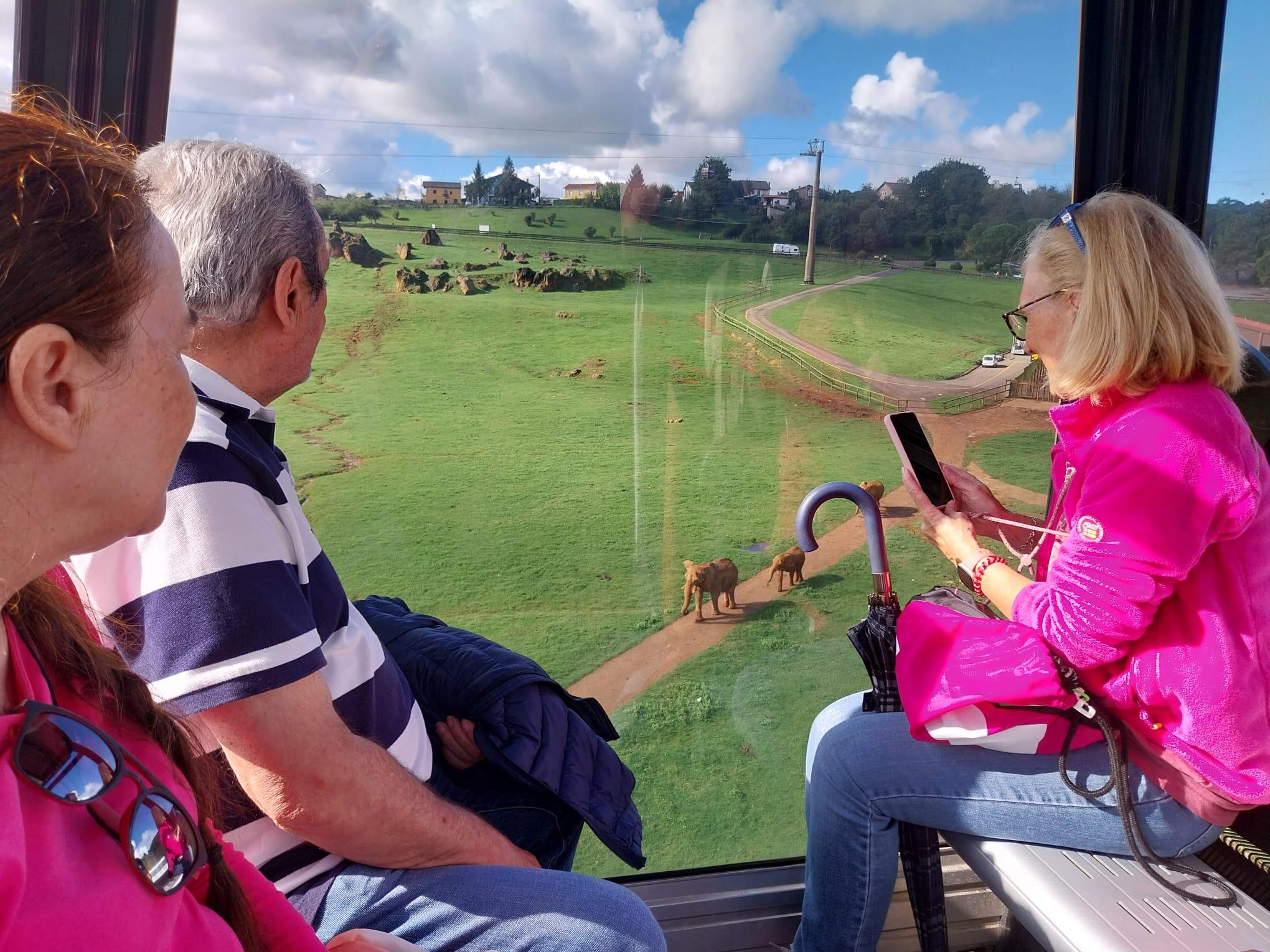
Explore over 100 animal species roaming in spacious semi-wild habitats across a stunning landscape
9.5 hours
Free Cancellation
Explore medieval towns, modernist architecture, and prehistoric art on Cantabria's western coast
4.5 - 5 hours
Free Cancellation
Explore extraordinary underground formations and coastal panoramas on this guided Cantabrian adventure
5 hours
Free Cancellation
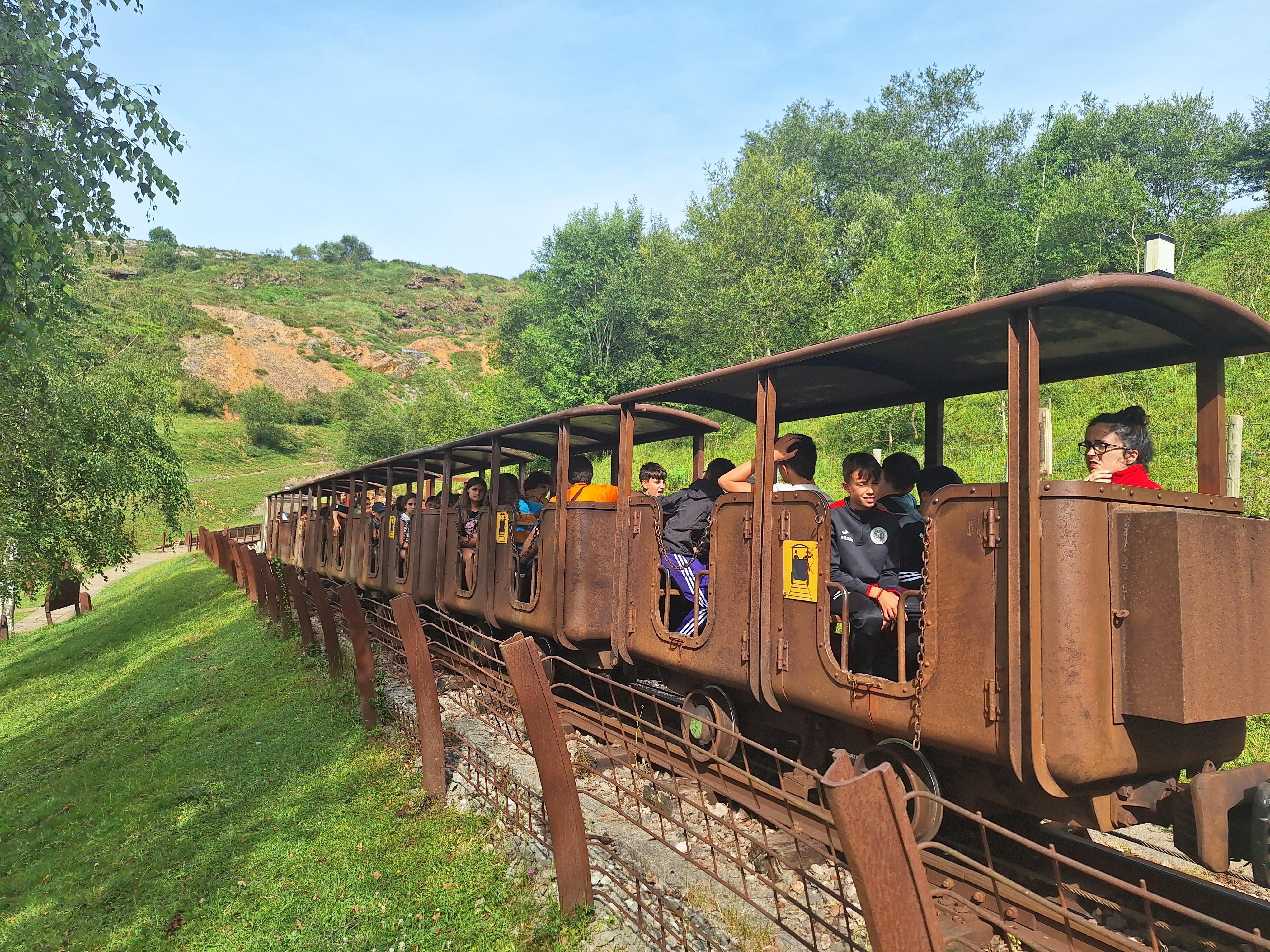
Discover 150 species across five continents in this transformed mining landscape on a guided half-day adventure
Flexible timing
Free Cancellation
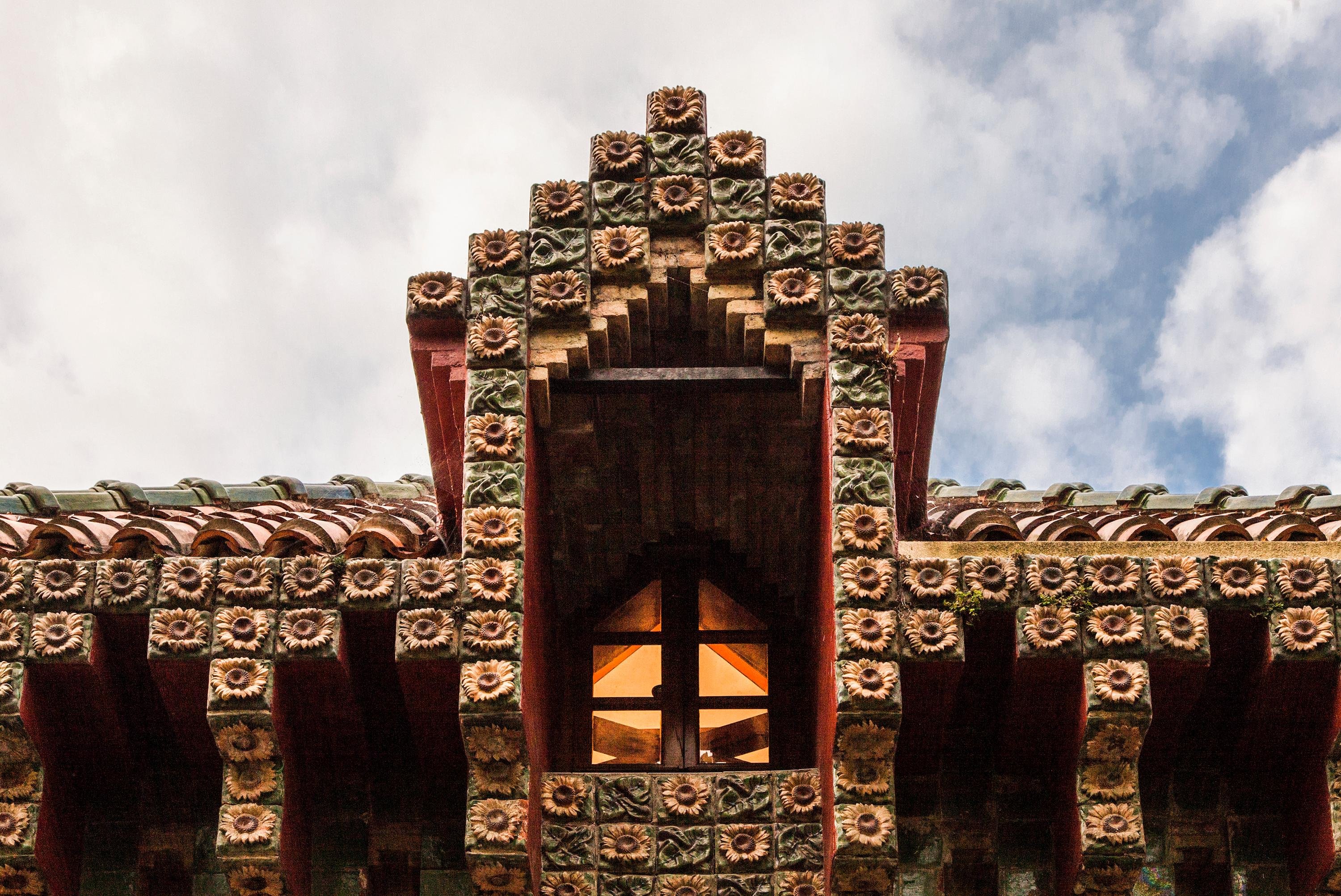
Step inside a rare Gaudí masterpiece beyond Barcelona with optional expert-led tour
Flexible timing
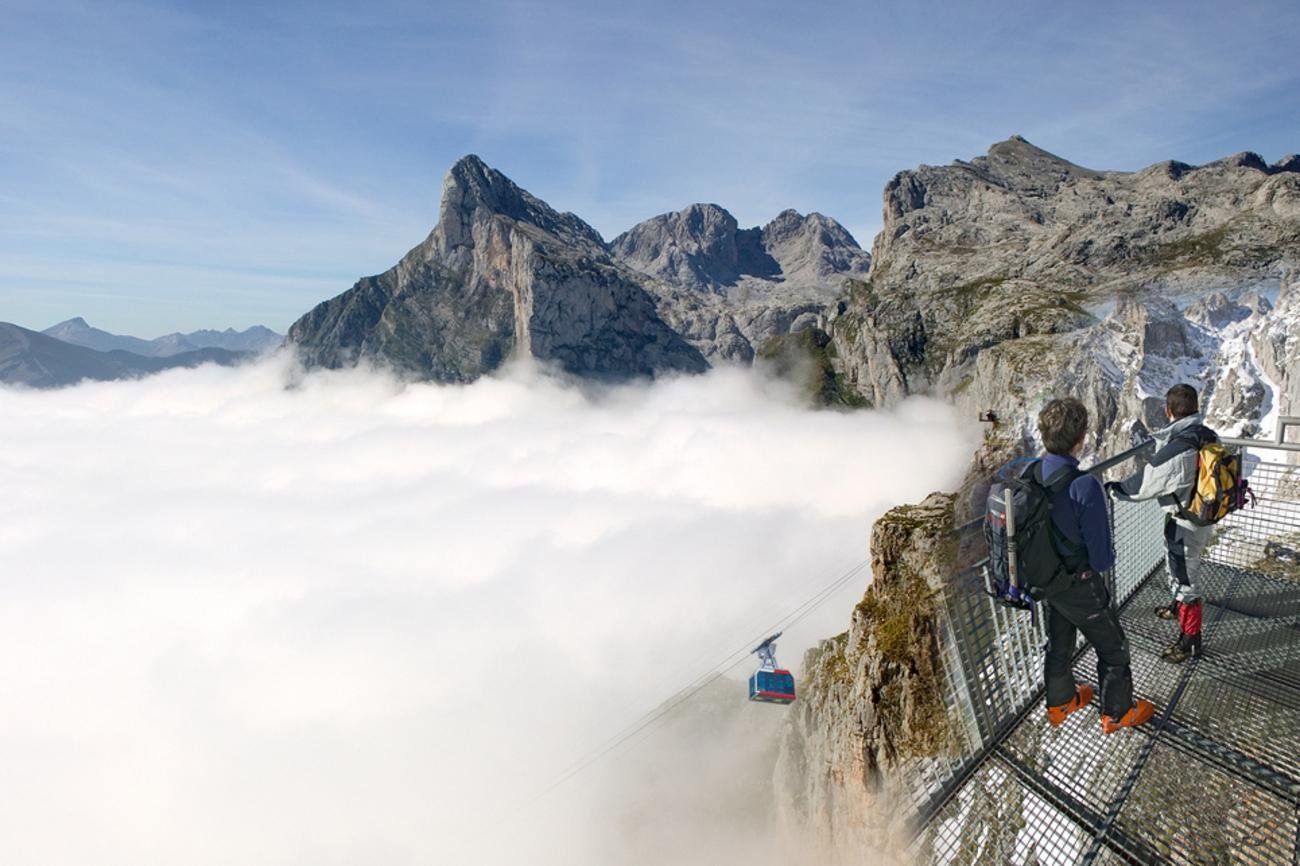
Ride a cable car 753 meters up into Picos de Europa National Park for stunning Cantabrian vistas
2 hours
Free Cancellation
Explore northern Spain's premier wetland reserve and witness traditional anchovy preparation with tastings
Check-in and wait for the tour guide assembly
Safety and conservation protocols explained
Guided walk through the main chambers
Exhibition review and history overview
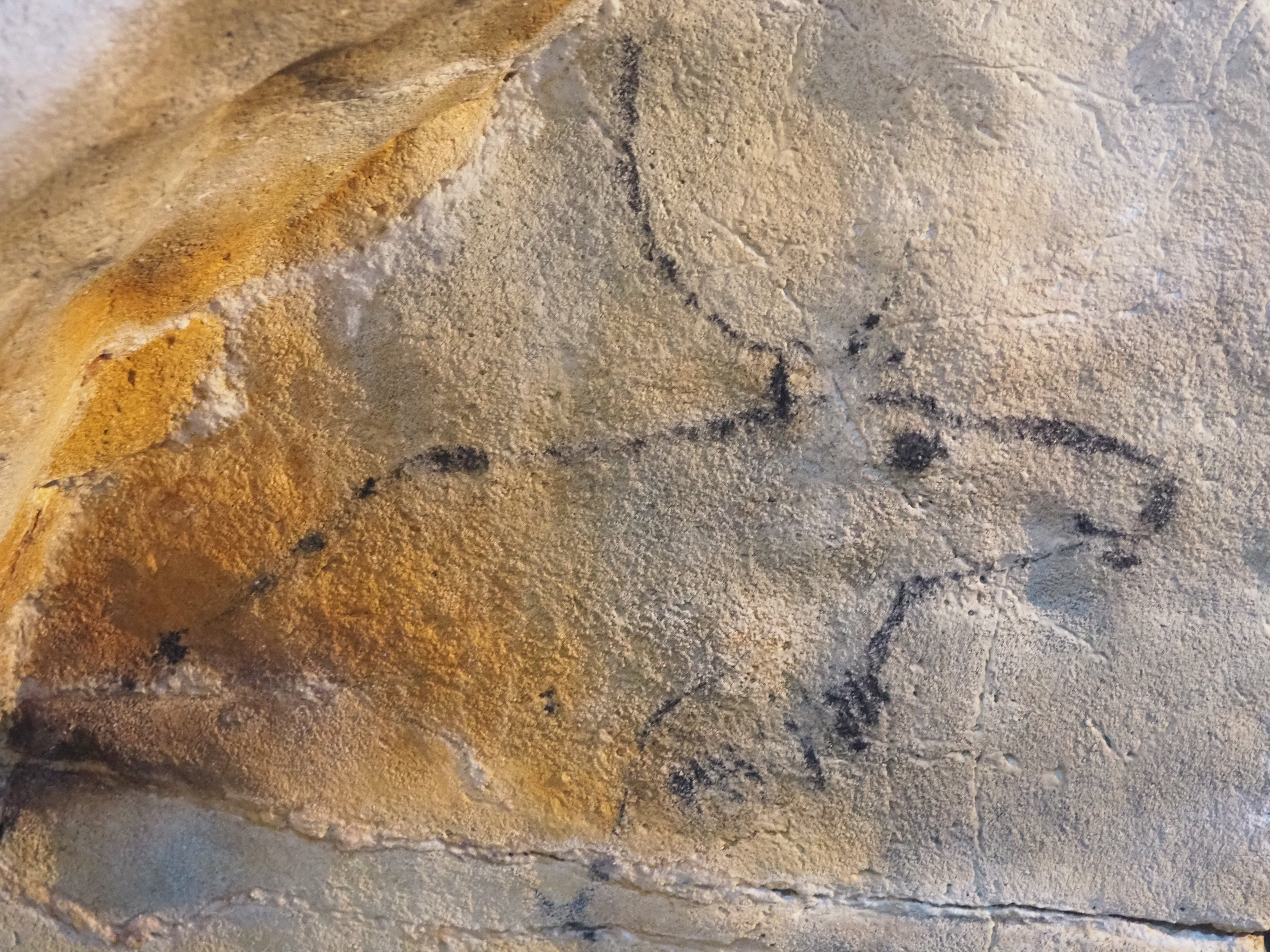
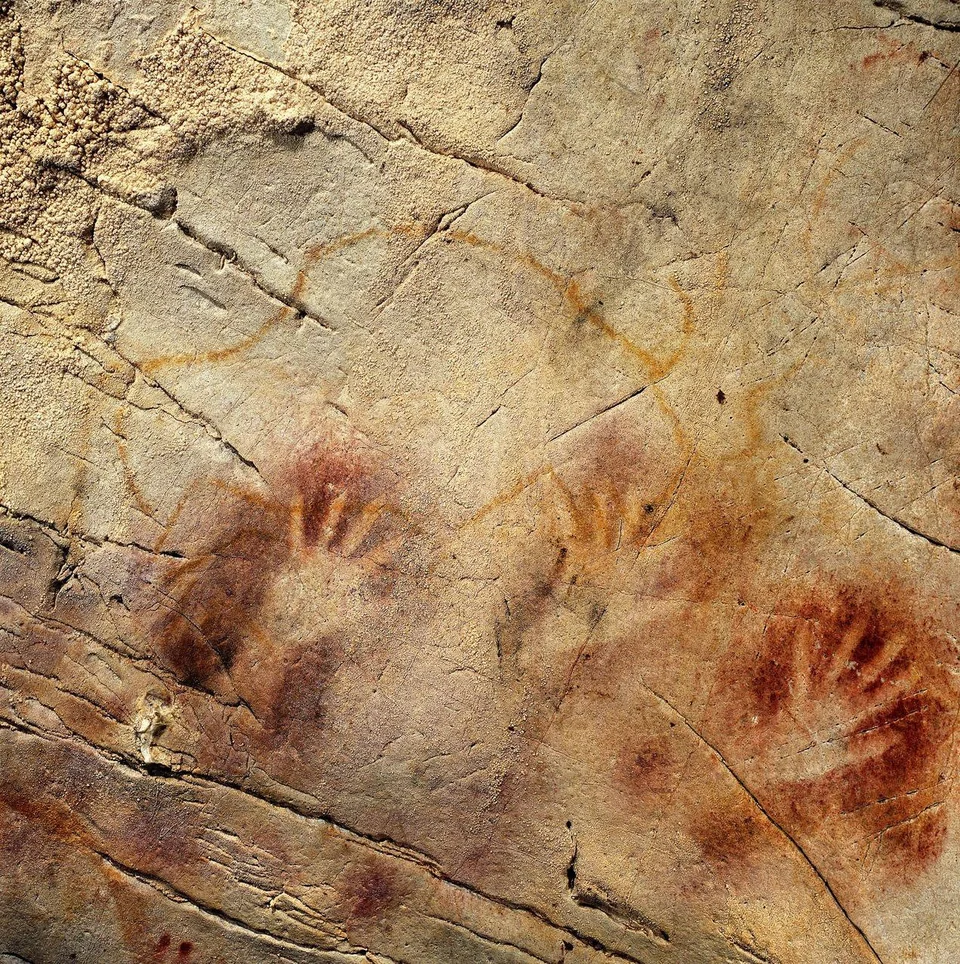
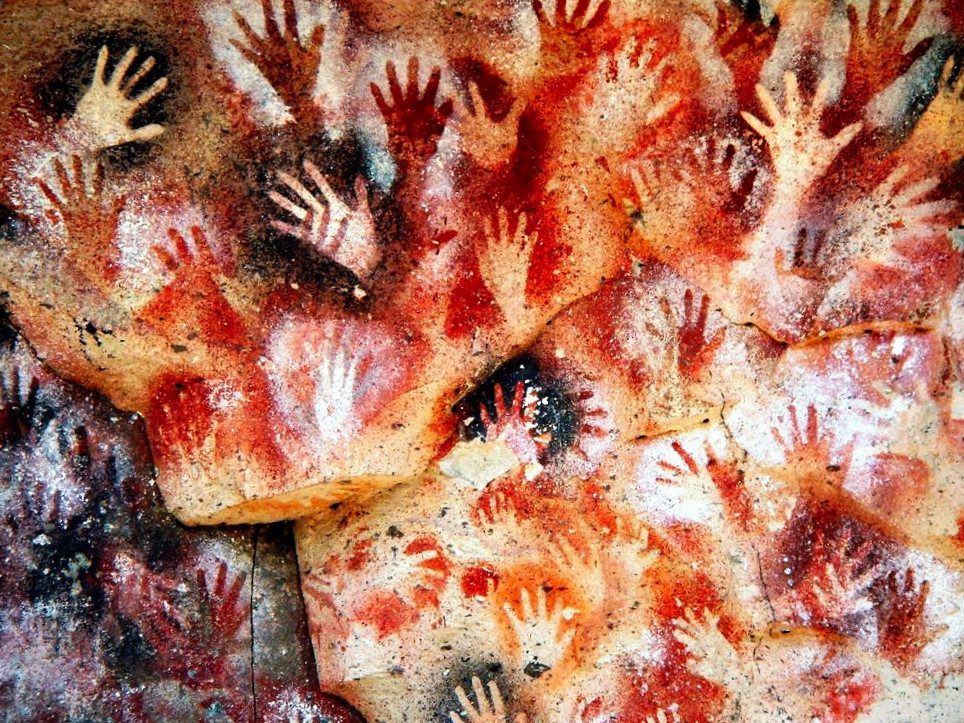
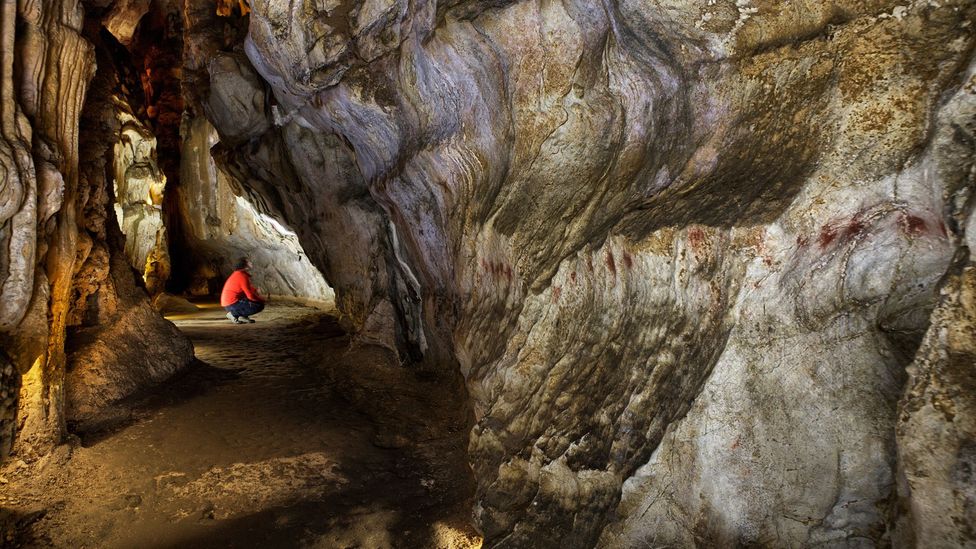
Features dozens of hand stencils created with red pigment over 40,000 years ago. This panel is one of the oldest examples of figurative art in the world.
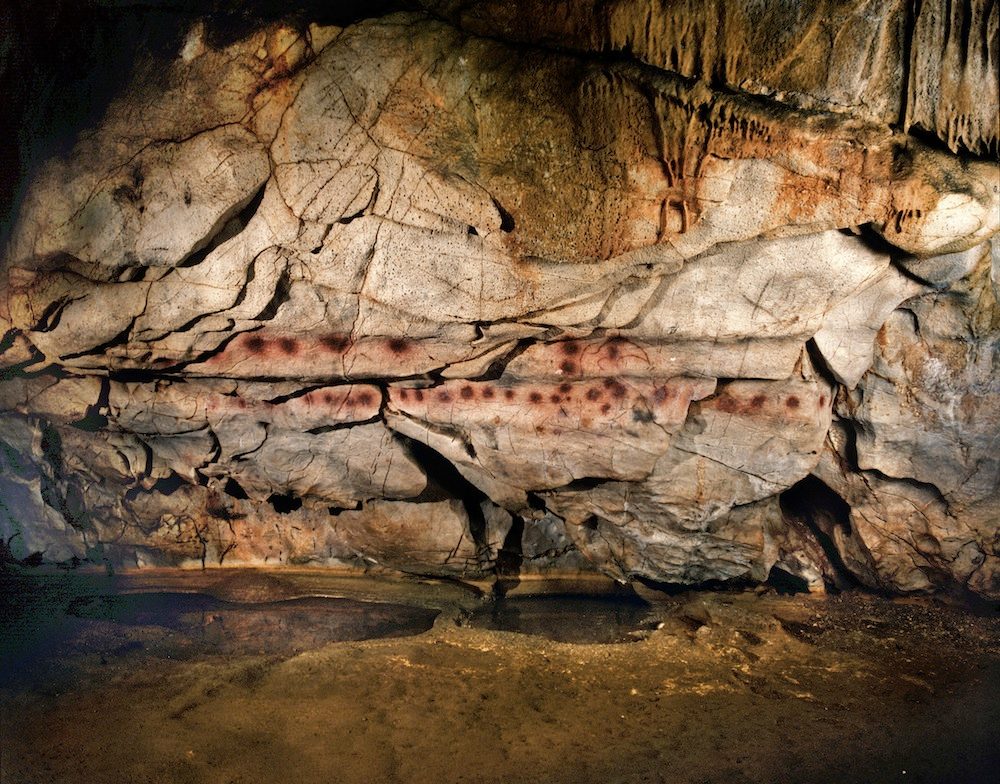
Contains intricate paintings of horses, bison, and deer depicted in multiple colors. The technique displays a high level of prehistoric sophistication.
The cave stretches deep into the mountain, revealing significant geological formations and ancient habitations. Explorations here have provided crucial data for European prehistory.
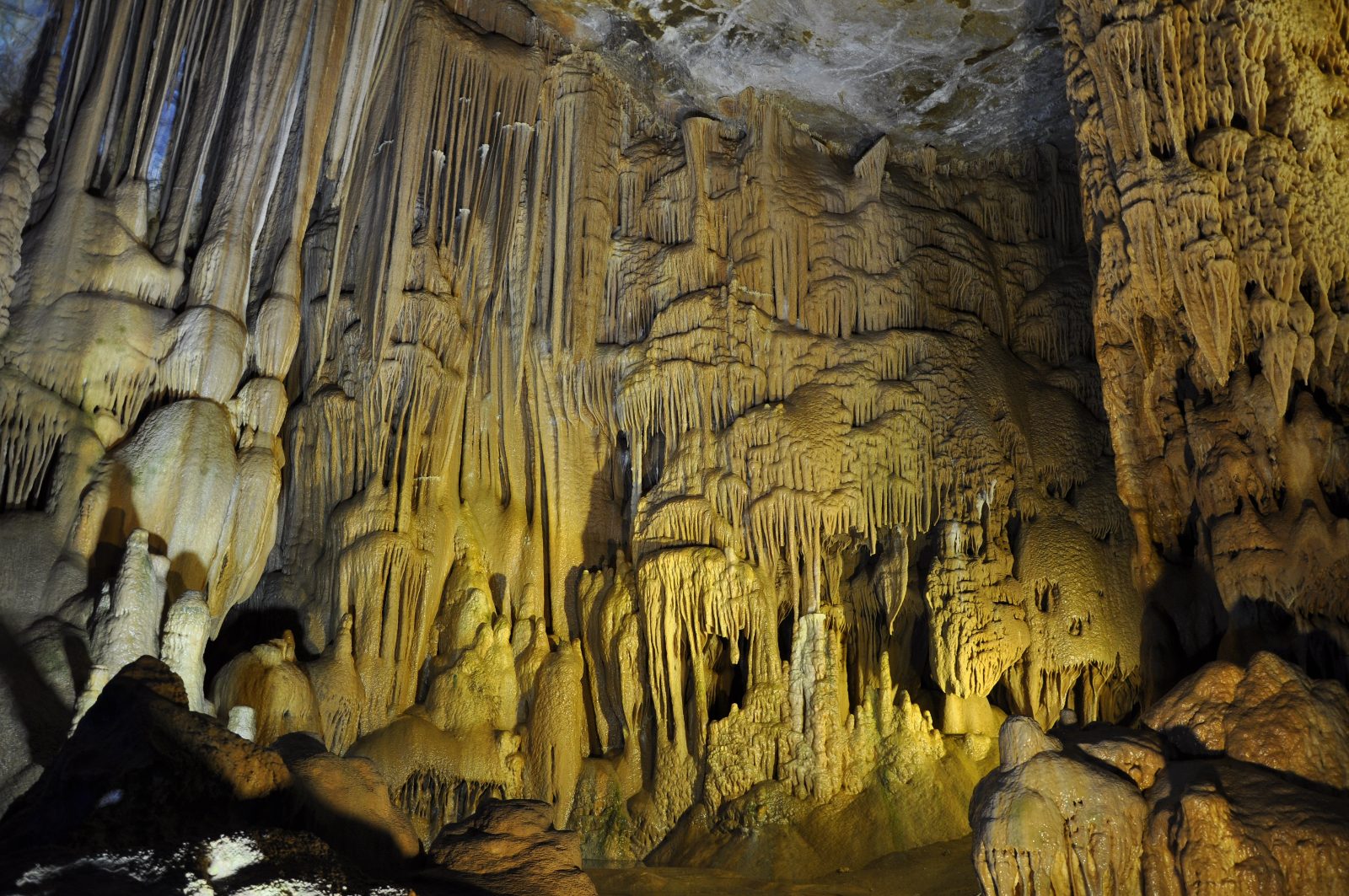
The cave system boasts massive, naturally occurring calcium carbonate structures formed over millennia. These formations provide a backdrop to the human-made art.
Researchers have identified over 20 meters of sedimentary deposits showing continuous human presence. This makes it a vital site for understanding human evolution.
You arrive at the Monte Castillo visitor centre forty minutes before your scheduled entry time, collect your timed-entry pass, and wait in the courtyard overlooking the Pas valley.
At the appointed hour, your group of twelve is led up a paved footpath through oak and hazel scrub to the cave mouth, a low overhang in the hillside fifty metres above the road. The guide issues headlamps and you step inside.
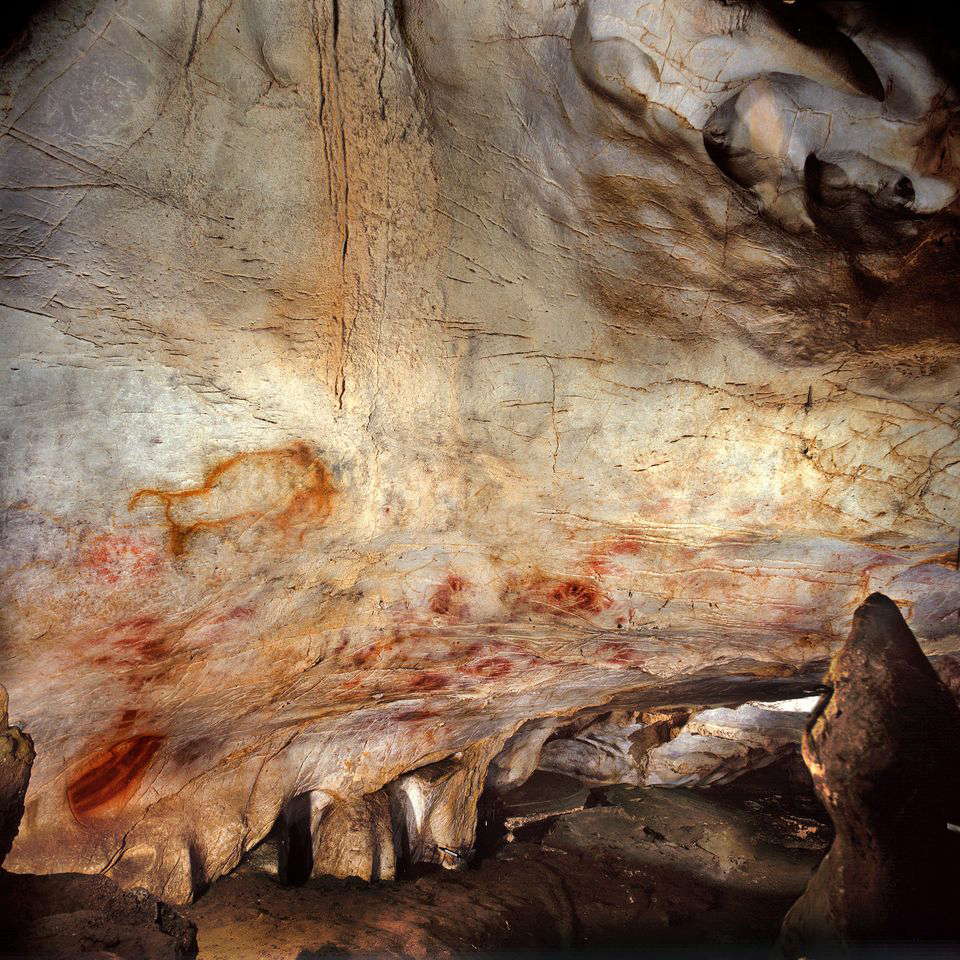
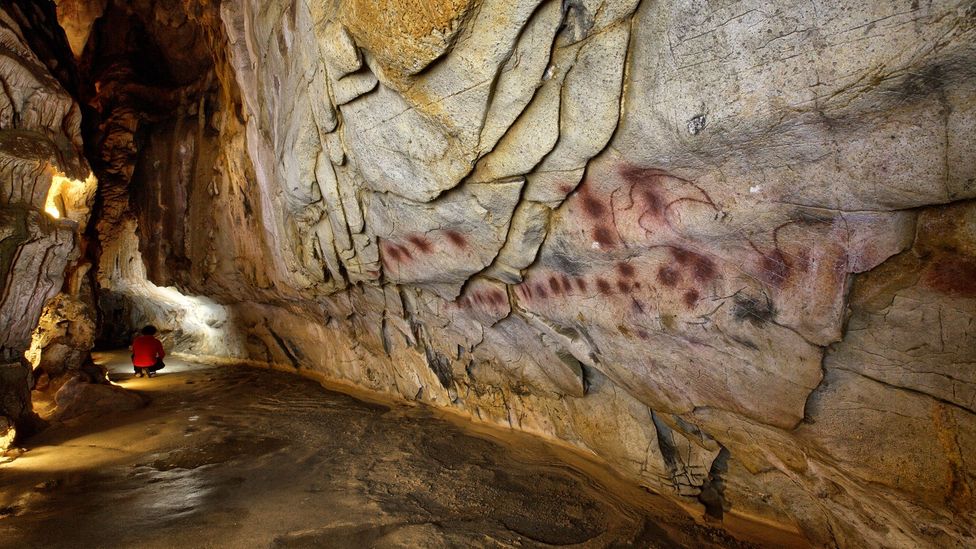
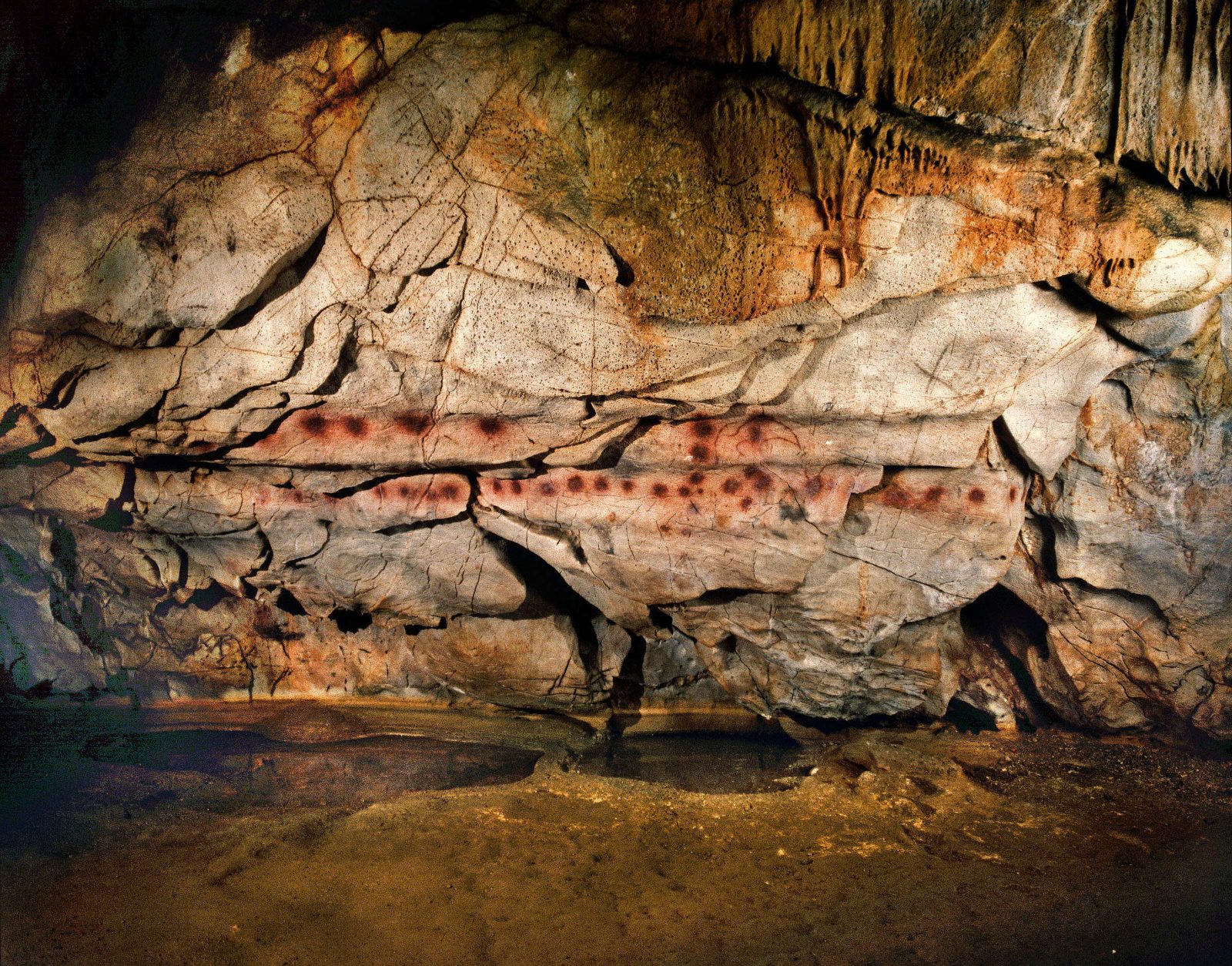
The entrance passage slopes downward for thirty metres, the daylight fading behind you. The air cools. You turn a corner and the first panel appears on your left: a cluster of red handprints, some intact, some fragmentary, stencilled onto the uneven surface. The guide pauses and explains the uranium-thorium dating. You move deeper. The ceiling lowers, forcing you to stoop briefly, then opens into the main chamber. Your headlamp beam catches a red bison overhead, its hump exaggerated by the limestone bulge beneath. Another bison, drawn in black, overlaps it. You count six animals before the guide points out a seventh, nearly invisible in the shadows.
The tour lasts fifty minutes. You pass through three more decorated zones, each marked by ropes and floor-level lighting. The final gallery holds the claviform signs, a series of club-shaped marks that no one has satisfactorily explained. You exit through the same passage, blinking in the midday sun.
All the details about your upcoming adventure in one place
A single red disc painted on the wall of El Castillo cave in 2012 yielded a uranium-thorium date of 40,800 years before present, making it the oldest known cave art in Europe and predating the arrival of modern humans in the region by several millennia.
The panel of stencilled handprints beside it, created by blowing ochre pigment over outstretched palms, belongs to an artistic tradition that spanned at least twenty thousand years across the Monte Castillo massif. El Castillo is the largest and most continuously occupied of the four caves open to visitors in the Puente Viesgo complex, and its 275-metre accessible gallery preserves more than 150 figurative and abstract motifs layered across the Upper Paleolithic, Solutrean, and Magdalenian periods.
El Castillo cave tickets grant access to a site that remained sealed by rockfall until its rediscovery in 1903 by Hermilio Alcalde del Río, who recognised the significance of the bison, horses, and hand stencils within days of entering the main chamber. The cave's stratigraphy, excavated over the subsequent century, has yielded one of the longest unbroken records of human occupation in Cantabria, with eighteen distinct archaeological layers spanning 150,000 years. Conservation protocols introduced in the 1990s limit daily visitor numbers to protect the pigment from humidity and carbon dioxide damage, and all entry is by timed guided tour only.
The tour begins in the entrance vestibule, where natural light still penetrates, then descends through a narrow passage into the Sala de los Polícromos, the principal decorated chamber. Here, red and black bison cluster near the ceiling, their outlines following the natural limestone folds to suggest volume and movement. A horse frieze occupies the left wall, and a cluster of claviform signs — unique to Cantabrian caves — marks the deepest section accessible to visitors. The temperature inside holds steady at 14°C year-round, and the path is equipped with low-level LED lighting that minimises thermal impact on the rock surface. Visitors are asked to remain silent in the decorated zones to preserve the microclimate, and photography is prohibited throughout.
A single red disc painted on the wall yielded a uranium-thorium date of 40,800 years before present, making it the oldest known cave art in Europe.
Wear sturdy, non-slip footwear suitable for uneven subterranean paths. The cave maintains a constant cool temperature, so bring a light jacket even on warm days.
Large backpacks and bulky items are not permitted inside the cave. Please leave these items in your vehicle or at your accommodation before arriving for your tour.
Photography is strictly prohibited inside the cave to protect the integrity of the prehistoric art. This policy is enforced to ensure the conservation of the delicate environment.
Children must be of the minimum age required by the booking system to enter. Families should note that the cave environment is quiet and requires respectful behavior.
The cave interior contains uneven surfaces and narrow passages. Visitors with mobility impairments should consult with the site staff prior to booking to assess feasibility.
Eating and drinking are not allowed inside the cave or within the immediate archaeological site area. Please consume refreshments before arriving for your tour.
Opening hours
09:30–18:30 (Tue-Sat), 09:30–14:30 (Sun)
Address
Monte Castillo, 39680 Puente Viesgo, Cantabria, Spain
Entry
Staggered access requires arriving 40-60 minutes before your scheduled tour time
Best arrival window
09:30–13:30
Storage
No lockers available on-site
Official site
https://cuevas.culturadecantabria.com/en/
Car · 30 min from Santander · Free
Follow the N-623 road towards Puente Viesgo. Parking is available at the base of the Monte Castillo site.
Ticket changes or cancellations must be handled via the official booking platform in accordance with their terms. All entries are subject to the 15 EUR entrance fee.
Recommended time
2 hours
Securing el castillo cave tickets requires careful coordination due to the restricted-entry nature of this archaeological site. Because staggered access necessitates arriving 40-60 minutes before your scheduled entry, plan for a total stay of two hours to comfortably navigate the Monte Castillo surroundings. Visitors using these el castillo cave tickets tours should anticipate moderate walking through subterranean galleries, where the Paleolithic art and geological formations are protected by strictly managed group capacities. Those holding el castillo cave tickets tickets for later in the day may find slightly heavier foot traffic near the main entrance.
Crowd levels through the day
Weather · crowds · average price — dots go green to amber to red as each metric rises.
September offers comfortable temperatures and fewer crowds than summer. This is an ideal time to secure your el castillo cave tickets tours.
El castillo cave tickets sell out months in advance due to strict conservation limits. Check the official portal regularly for availability.
Monte Castillo, 39680 Puente Viesgo
Look for the visitor center signage
Get directionsEl Castillo Cave entered scientific record in 1903 when Hermilio Alcalde del Río, a young Cantabrian archaeologist, identified painted symbols on its limestone walls during systematic surveys of the Monte Castillo karst system. His initial documentation concentrated on animal figures and hand stencils in the main gallery. In 1910, Henri Breuil and Hugo Obermaier joined Alcalde del Río to catalogue the panels, establishing the site as one of Europe's richest Paleolithic archives. Their work revealed stratigraphic deposits spanning more than 100,000 years, capturing both Neanderthal tool assemblages and successive Homo sapiens occupations. By the 1950s, excavations led by Victoria Cabrera Valdés uncovered Mousterian and Aurignacian layers, confirming continuous habitation across the Middle-to-Upper Paleolithic transition. The 2012 uranium-thorium dating campaign redefined global prehistory. Alistair Pike's team measured a red disk at 40,800 years before present, making it the oldest dated cave painting on Earth at that time. The discovery intensified scholarly debate over symbolic cognition and whether late Neanderthals contributed to European rock art traditions. That revelation also transformed visitor demand. Restricted-entry protocols were imposed to preserve microclimate stability and pigment integrity, limiting daily admissions and requiring advance reservation. Today, el castillo cave tickets grant access to a 45-minute guided route through the original painted chamber, but capacity caps mean tours fill weeks ahead during peak months. Conservation challenges escalated in the 1990s when moisture fluctuations threatened the Panel de las Manos, a concentration of more than 50 hand stencils. Cantabrian authorities installed environmental monitoring systems and restricted group size to eight visitors per slot. In 2008, El Castillo joined the Cave of Altamira and Paleolithic Cave Art of Northern Spain UNESCO inscription, cementing its role in the broader narrative of Ice Age symbolic expression. The ticketing infrastructure now balances scientific stewardship with public access, a tension inherent in managing irreplaceable Paleolithic resources.
Hermilio Alcalde del Río documents painted symbols during Monte Castillo karst surveys.
Breuil and Obermaier join cataloguing effort, establishing the site as a major Paleolithic archive.
Victoria Cabrera Valdés excavates Mousterian and Aurignacian layers, confirming 100,000-year occupation span.
Uranium-thorium dating reveals a red disk at 40,800 years BP, the oldest known cave painting at the time.
El Castillo joins UNESCO inscription for Cave of Altamira and Paleolithic Cave Art of Northern Spain.
Restricted-entry protocols limit daily admissions to preserve microclimate and pigment integrity.
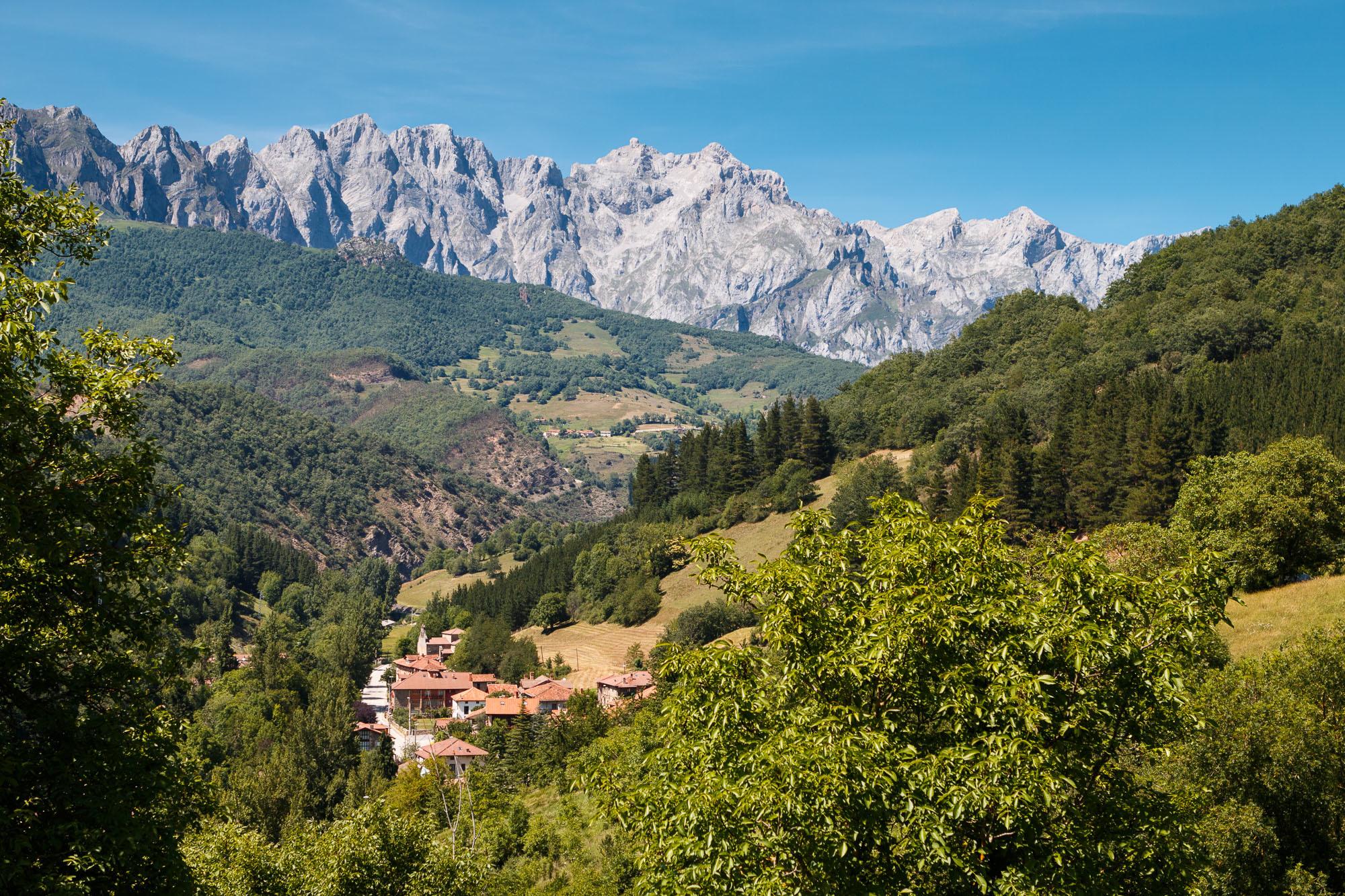
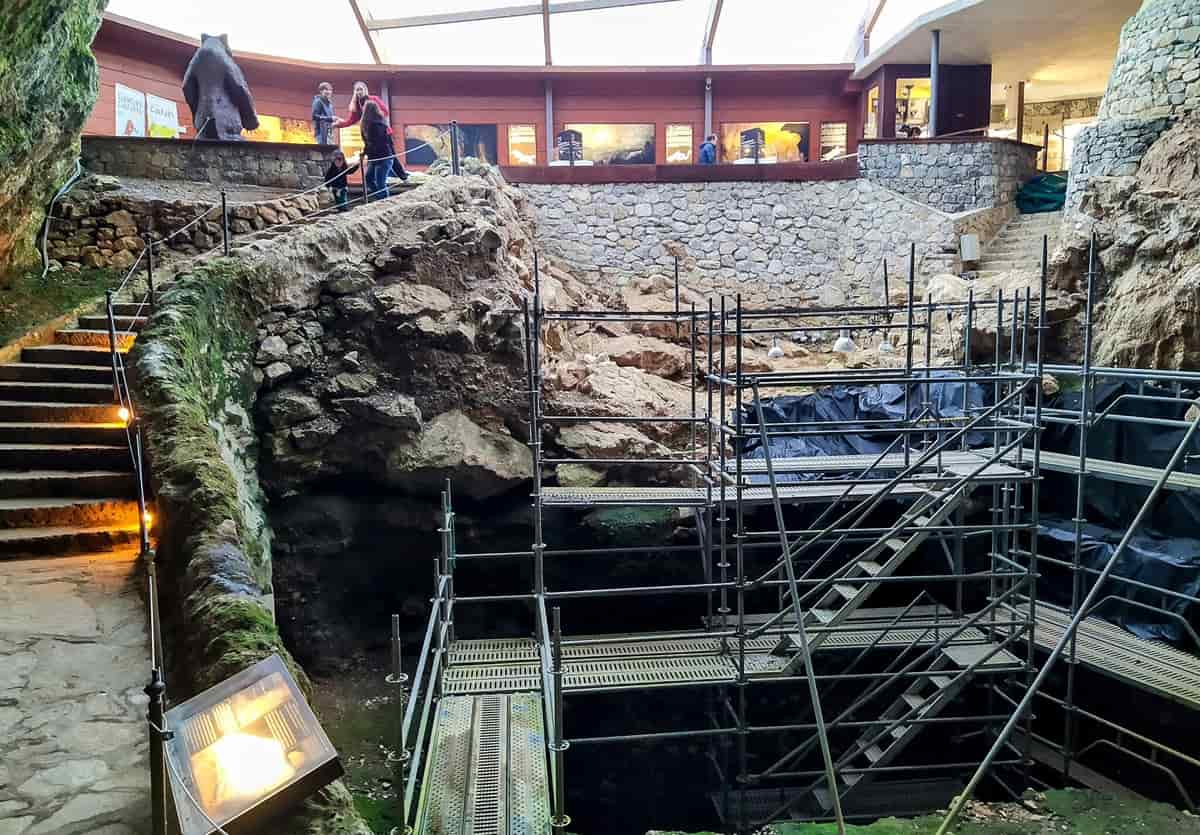
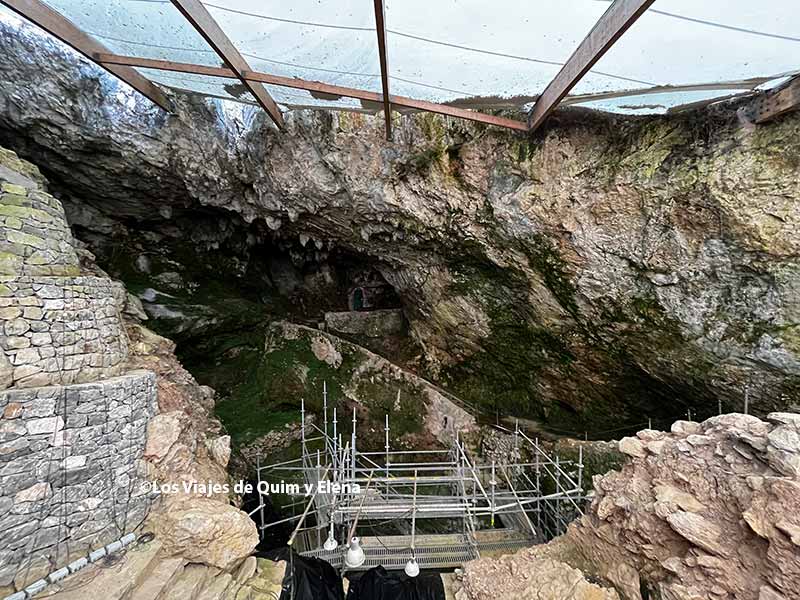
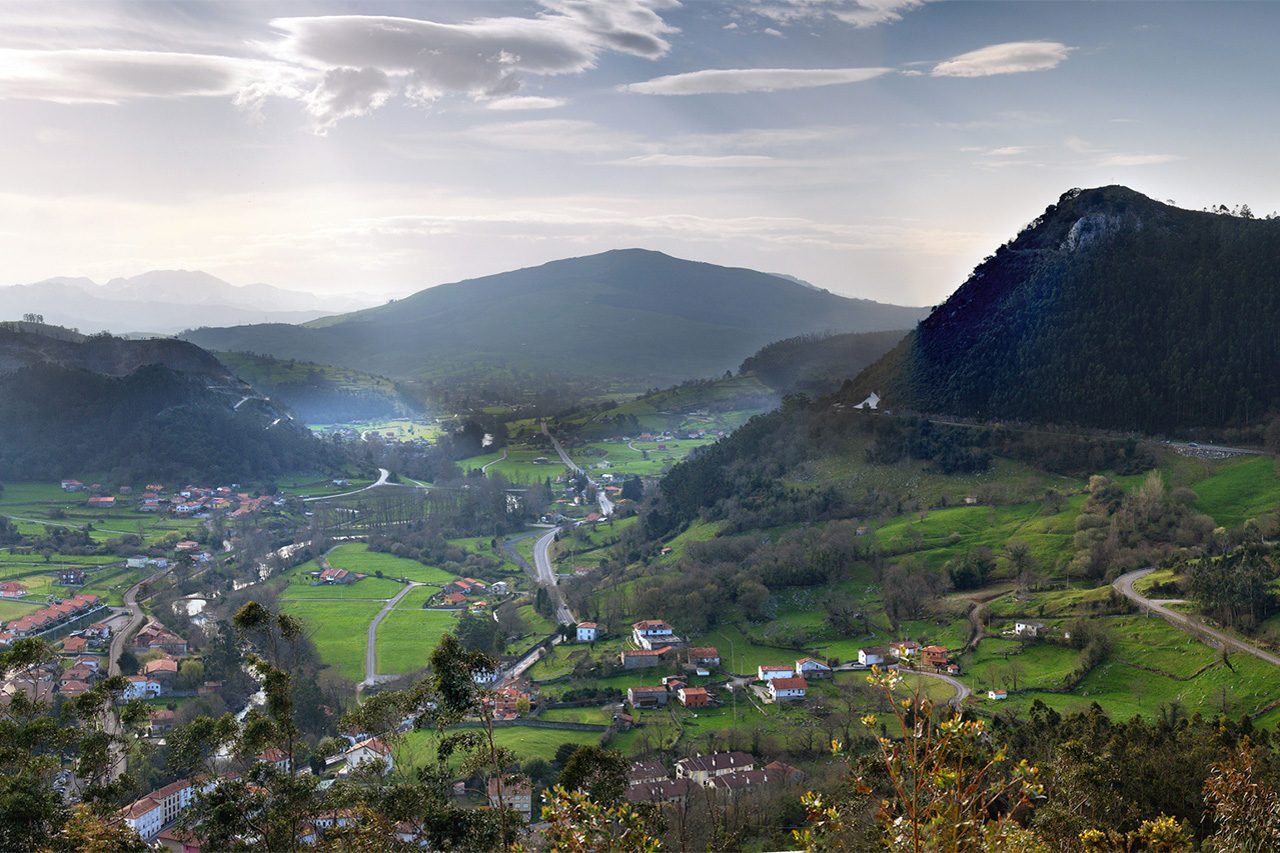
Position yourself near the lower parking area to capture the limestone ridge set against the lush Cantabrian landscape. This is the primary vantage point for photographers securing el castillo cave tickets tours before their assigned slot.
Standing on the paved walkway leading to the cave mouth provides a clear shot of the rocky entrance portal framed by temperate vegetation. This is where you finalize your arrival before checking your el castillo cave tickets.
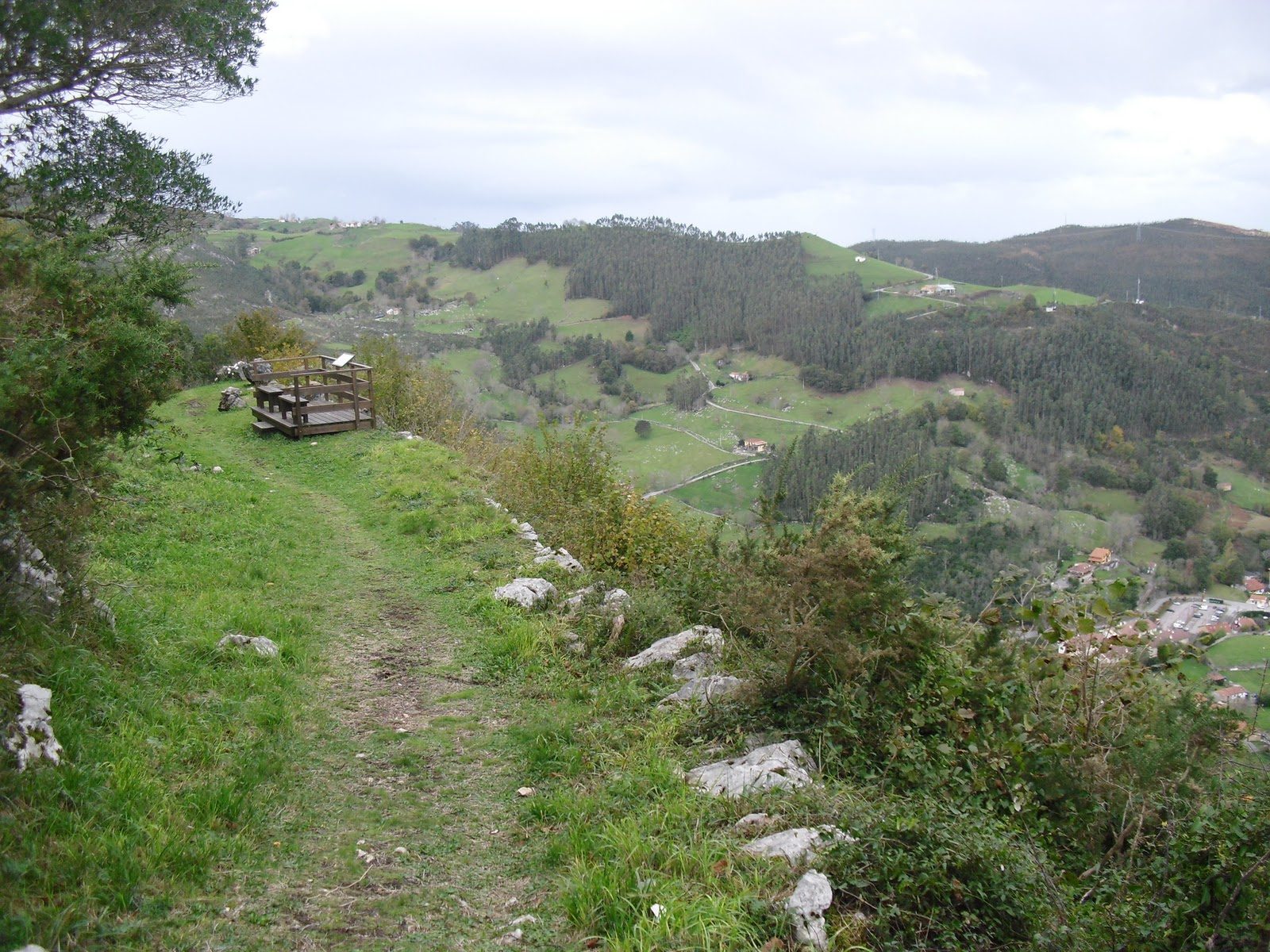
From the elevated slopes surrounding the site, you can photograph the expansive valley views of the Pas river basin. Many visitors prioritize this vista after using their el castillo cave tickets tour access to explore the interior.
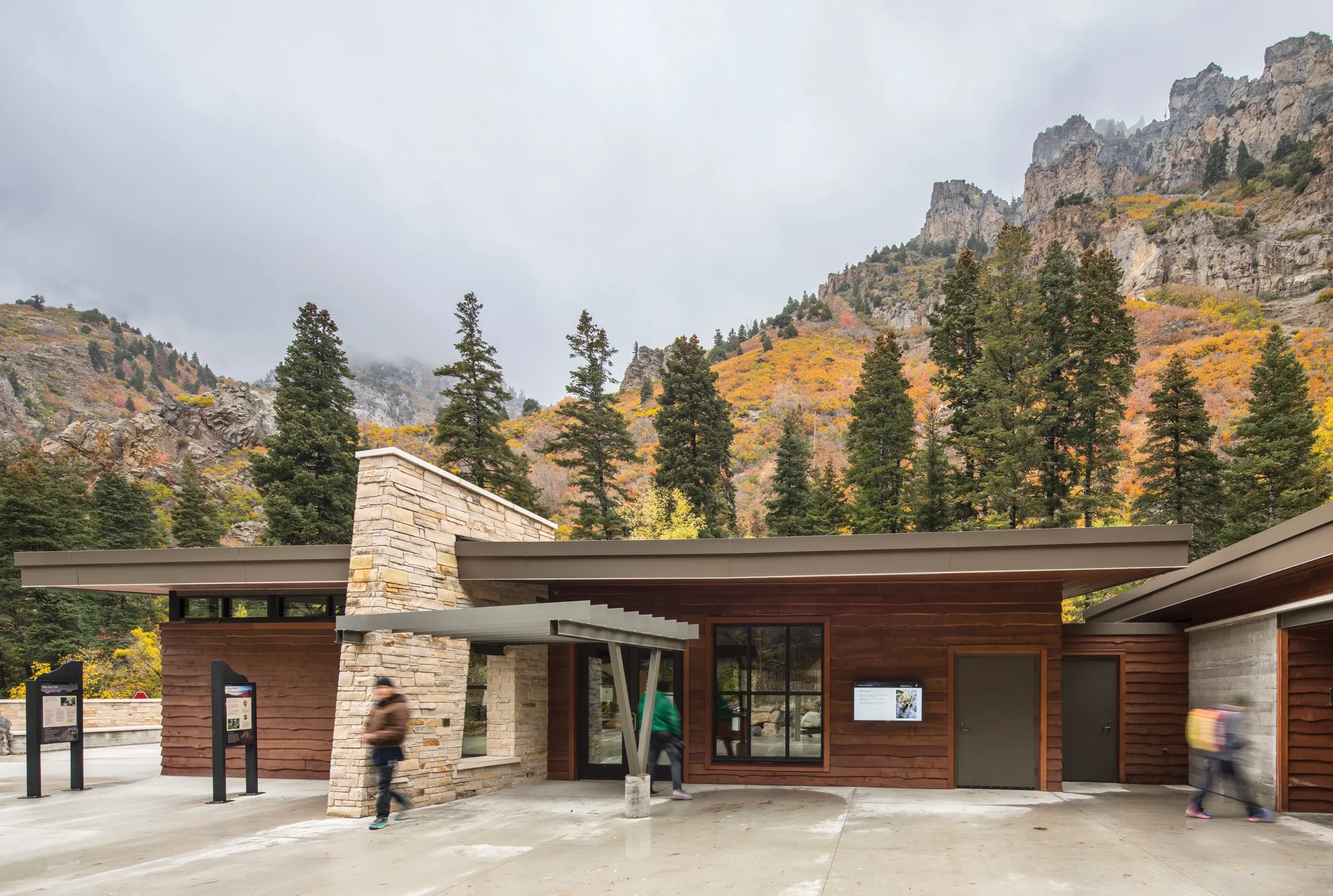
The modern architectural lines of the reception building offer a contrasting geometric study against the ancient karst surroundings. Capture this spot while queuing for your el castillo cave tickets tickets to document the logistics of your visit.
Visiting with children requires careful planning to secure el castillo cave tickets in advance due to strict capacity limits at this UNESCO World Heritage site. Exploring these prehistoric landmarks involves walking through narrow passages that provide an authentic look at ancient Paleolithic art.
Due to the uneven cave floors and steep terrain, strollers are not permitted inside, so parents should bring a front or back carrier for infants and toddlers.
This site is most suitable for children aged 6 and older who can manage the walk, follow instructions, and appreciate the archaeological significance of the Paleolithic paintings.
There are no baby-changing tables or specialized family facilities inside the cave, so please plan for these needs at the visitor center before your el castillo cave tickets tour begins.
The cave environment is temperature-controlled and requires steady walking, so ensure children are prepared for a consistent pace without frequent stops for snacks.
Picnic areas are available outside near the Monte Castillo site where you can eat before or after your el castillo cave tickets tours, as no food or drink is allowed inside the cavern.
The site remains open during rain, but paths can be slippery; ensure children have sturdy, non-slip footwear to safely enjoy your el castillo cave tickets tickets.
Visitors securing el castillo cave tickets should plan for limited dining options directly at the Monte Castillo archaeological site. While local establishments are available in Puente Viesgo, these Cantabrian Coast landmarks are best enjoyed by coordinating your meal around the staggered access requirements of your el castillo cave tickets tour.
Located near the entrance, this venue serves traditional regional dishes perfect for those waiting on el castillo cave tickets tickets. It is a convenient spot for a hearty lunch before or after your exploration of the limestone cavern.
This elegant establishment offers refined Cantabrian cuisine in a quieter setting. It serves as an excellent choice for a relaxed meal once you have completed your guided prehistoric art experience.
This casual cafe in the town center provides quick snacks and coffee for travelers. It is ideal for a light bite if you are arriving during the early best arrival window of 09:30–13:30.
Everything you need to know for your journey
You can purchase your el castillo cave tickets via the official website provided by the Cantabrian government. Direct online booking is the only authorized method.
Photography is strictly forbidden to preserve the cave art. Please respect this rule when using your el castillo cave tickets.
The entrance fee is 15 EUR per adult over 13 years old. This covers the guided visit to the cave chambers.
Yes, you must arrive 40-60 minutes before your scheduled tour time. Staggered access is essential for site management.
Specific age requirements apply to ensure the safety of the cave environment. Check the booking portal for details when selecting your el castillo cave tickets.
No large bags are permitted inside. Please store them in your car or at your accommodation before using your el castillo cave tickets.
The path is uneven and may be difficult for those with mobility issues. Please contact the site in advance regarding accessibility concerns.
Yes, Las Monedas Cave is located on the same hillside as El Castillo. Many visitors combine these visits when booking their el castillo cave tickets.
The cave operates on a strict schedule. Missing your tour time may result in the forfeiture of your el castillo cave tickets.
Yes, purchasing your el castillo cave tickets online in advance is essential as the site capacity is strictly limited.
A significant cave featuring impressive calcite formations and cave art. It is located on the same hillside.
Historic spa hotel located in the village center. Perfect for those looking to relax after visiting nearby Cantabrian sites.
Join thousands of happy travelers who have discovered this incredible experience
Book Your Experience Now