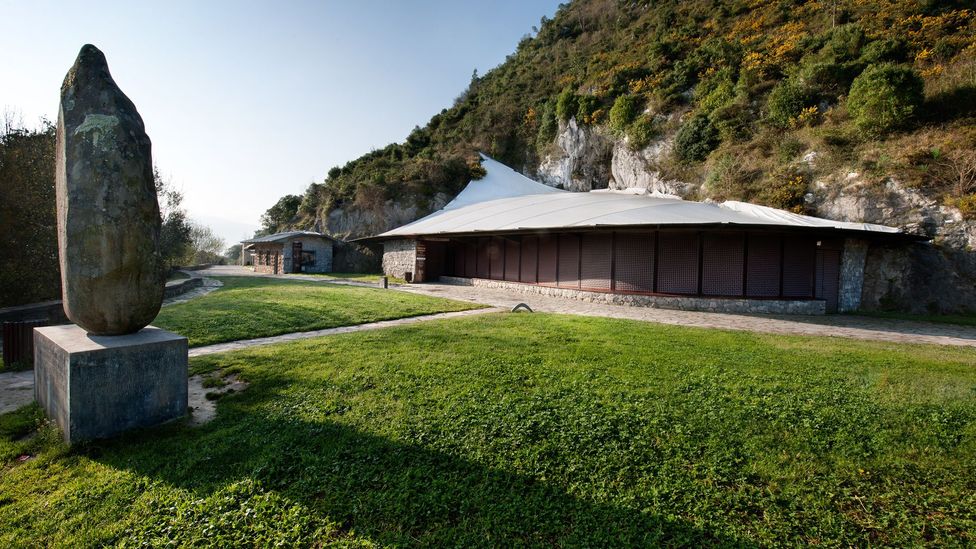
El Castillo Cave Tour Logo
English| EUR
Suggested for you
More currencies
Book Now
Open today · 09:30–18:30

El Castillo Cave Tour

El Castillo Cave — Paleolithic Art & Guided Tours

Walk among the oldest handprints in Europe, painted 40,000 years before history began.

4.9 /5 · 2,400 reviews
13K+ travelers chose this
Free Cancellation
Right now: Moderate — autumn shoulder season Arrive at the box office 60 minutes before your el castillo cave tour
1.5 hours guided visit
1 Languages
Maximum 15 visitors
Free Cancellation
Free cancellation Instant confirmation Mobile voucher Verified partner Skip-the-line
40.8K+ yrs
Oldest cave art
Dating back to Aurignacian era
20 m
Archaeological depth
Deepest stratigraphy in region
2,698
Recorded motifs
Includes figurative and abstract
759 m
Total cave length
Intricate karst network
Choose your ticket

El Castillo Cave tickets at a glance

Compare fares, pick the fit — all bookings are mobile-voucher and eligible for free cancellation where shown.

Picos de Europa, Santo Toribio Monastery & Potes Full-Day Trip 9 hr
Guided Experience

Picos de Europa, Santo Toribio Monastery & Potes Full-Day Trip

4.8 (330)
$105
  • Expert local guide
  • Small group
  • Skip-the-line access
  • Free cancellation
Book this ticket
Covadonga Lakes & Cangas de Onís Day Trip 11 hr
Guided Experience

Covadonga Lakes & Cangas de Onís Day Trip

4.8 (122)
$45
  • Expert local guide
  • Small group
  • Skip-the-line access
  • Free cancellation
Book this ticket
Compare options

Compare El Castillo Cave ticket options

Experience DurationRatingTransfersPickupSkip-the-lineFree cancel. Price
Standard Entry
Most popular
El Castillo & Las Monedas Caves Paleolithic Art Experience
5 hr★ 4.9✓✓—✓ $128 Book →
Guided Experience
Picos de Europa, Santo Toribio Monastery & Potes Full-Day Trip
9 hr★ 4.8✓✓✓✓ $105 Book →
Guided Experience
Covadonga Lakes & Cangas de Onís Day Trip
11 hr★ 4.8✓—✓✓ $45 Book →

Is the El Castillo Cave Tour Worth the Admission Cost?

Worth it for Paleolithic art enthusiasts

At 15 EUR, the el castillo cave tour delivers access to some of Europe's oldest known cave paintings—red disks dated to over 40,000 years ago—but the experience is tightly controlled. You'll join a small guided group (maximum 15 people) for a 45-minute walk through Monte Castillo's chambers, where Paleolithic hand stencils and animal figures cover limestone walls. The restricted visitor quota protects the fragile art, but it also means you can't linger or photograph. For anyone fascinated by human prehistory or UNESCO World Heritage cave art, the admission cost is justified by the rarity of standing before pigments older than Lascaux. Casual sightseers may find the brief duration and lack of interactive elements less compelling than open-air landmarks elsewhere on the Cantabrian Coast. The cave system's scientific significance—evidence of Neanderthal and Homo sapiens overlap—adds depth, but the tour moves briskly and assumes baseline interest in archaeological context.

What makes it worth it

  • Home to Europe's oldest known cave art
  • UNESCO World Heritage Site with global significance
  • Small group size ensures intimate viewing
  • Guided commentary explains Paleolithic techniques and dating
  • Rare opportunity to see Neanderthal-era pigments

Keep in mind

  • No photography allowed inside the cave
  • Tour duration is only 45 minutes
  • Limited spontaneity due to strict group schedule
  • Requires genuine interest in prehistory to appreciate fully

Bottom line: If standing before 40,000-year-old hand stencils excites you, book el castillo cave tours without hesitation—but if ancient art leaves you cold, spend your 15 EUR on Cantabria's coastal trails instead.

Head to head

El Castillo Cave Tour vs. Altamira Museum — Choosing Your Prehistoric Experience

They complement each other; most visitors who do both call the el castillo cave tour the more thrilling encounter with raw geology and ancient art. While the museum offers a comfortable, scholarly overview, the former provides a direct connection to the Paleolithic world.

Top pick
El Castillo
Altamira Museum
Experience Type Reconstructed cave replica
Authenticity Modern museum simulation
Availability High capacity daily
Booking Difficulty Moderate demand
Primary Focus Detailed prehistoric contextualization

Verdict: Securing el castillo cave tour tickets provides an immersive, authentic cave atmosphere, whereas the Altamira Museum excels at delivering an accessible education on these famous Cantabrian landmarks via its high-quality reproduction.

Featured Experiences

Popular El Castillo Cave tours & activities

Hand-picked experiences loved by thousands of travelers

Recommended Experience

Powered by GetYourGuide

Another traveler favorite

Powered by GetYourGuide
Santander Bay Scenic Boat Tour 1 hour Free Cancellation

Santander Bay Scenic Boat Tour

Cruise through one of the world's most stunning bays while discovering the city's coastal landmarks

4.4 (692)
FromFrom €15
See details
El Soplao Cave & Pechón Viewpoint Excursion 4.5 - 5 hours Free Cancellation

El Soplao Cave & Pechón Viewpoint Excursion

Explore stunning underground formations in Cantabria's mountains, then take in coastal panoramas from a scenic overlook

4.8 (35)
FromFrom €82
See details
Cabárceno Nature Park Entry Ticket Full day experience

Cabárceno Nature Park Entry Ticket

Explore over 100 animal species roaming freely across 20km of scenic terrain in this unique wildlife reserve

4.6 (166)
FromFrom €25
See details
Cantabria Coast Discovery: Medieval Towns & Altamira Neocave 9.5 hours Free Cancellation

Cantabria Coast Discovery: Medieval Towns & Altamira Neocave

Journey through coastal villages, modernist architecture, medieval streets, and prehistoric cave art

4.8 (82)
FromFrom €90
See details
Fuente Dé Cable Car Ascent in Picos de Europa Flexible duration

Fuente Dé Cable Car Ascent in Picos de Europa

Ride a cable car 753 meters up through Picos de Europa National Park to spectacular mountain vistas

4.5 (157)
FromFrom €13
See details
Capricho de Gaudí, Santillana del Mar & Redwood Forest Day Trip 7-10 hours Free Cancellation

Capricho de Gaudí, Santillana del Mar & Redwood Forest Day Trip

Journey through Cantabria's architectural gems and natural wonders on this full-day guided excursion

4.6 (85)
FromFrom €36.44
See details
Neocave Replica Tour & Altamira Museum Entry 1 hour guided tour, plus self-paced museum time Free Cancellation

Neocave Replica Tour & Altamira Museum Entry

Experience a faithful reproduction of prehistoric cave art at this UNESCO World Heritage site replica

4.1 (19)
FromFrom $20.91
See details
Private Altamira Museum & Neocueva Tour 1.5 hours Free Cancellation

Private Altamira Museum & Neocueva Tour

Exclusive guided exploration of prehistoric cave art replica and museum with licensed expert guide

4.8 (24)
FromFrom $276.49
See details
The experience

What visiting El Castillo Cave is really like

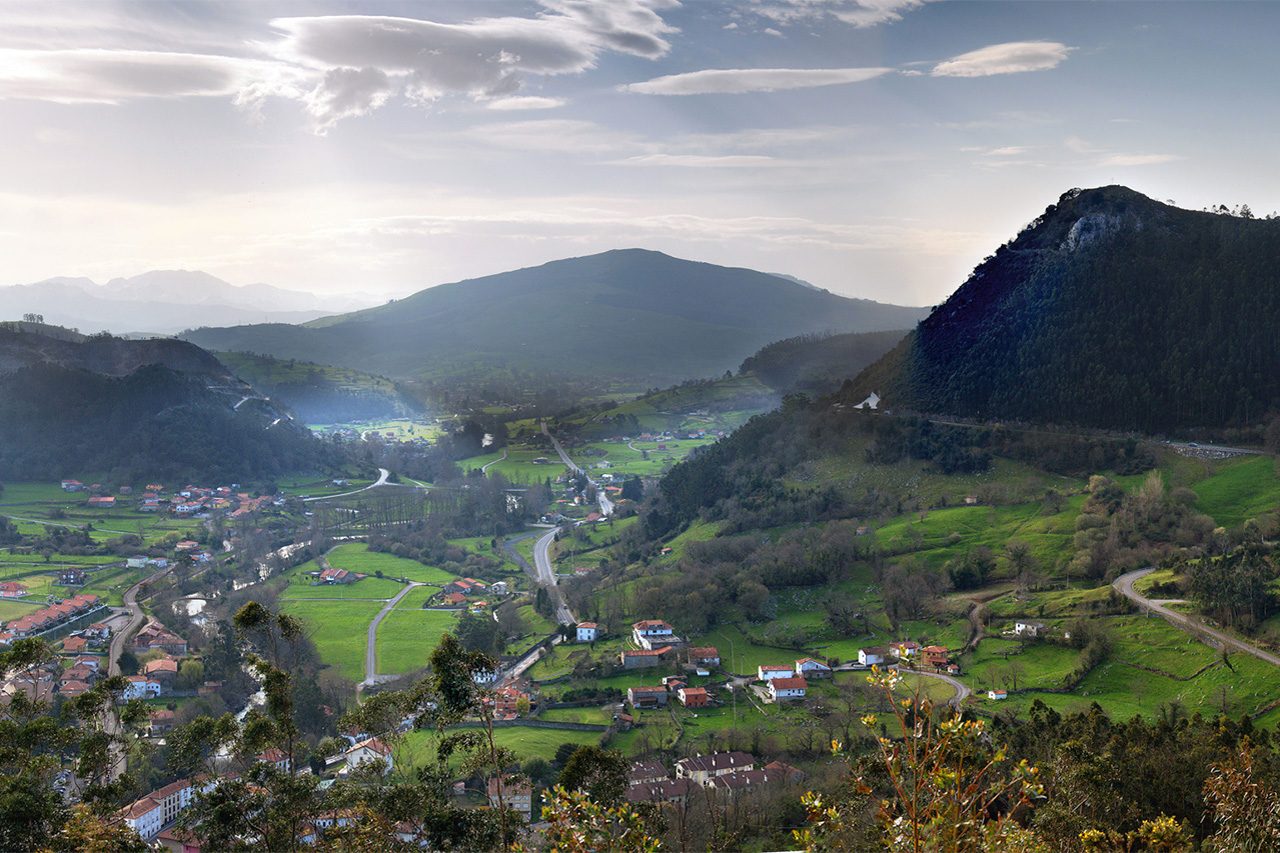
You meet your guide at the visitor center in Puente Viesgo, a ten-minute walk from the cave entrance, where you collect your hard hat and receive a briefing on the route ahead.

Read more Show less

The path climbs through beech forest before reaching the steel door that seals the cave mouth, opened only minutes before each tour to maintain interior climate stability. Cool air spills out as you step inside, and the guide activates a handheld LED panel to illuminate the first chamber.

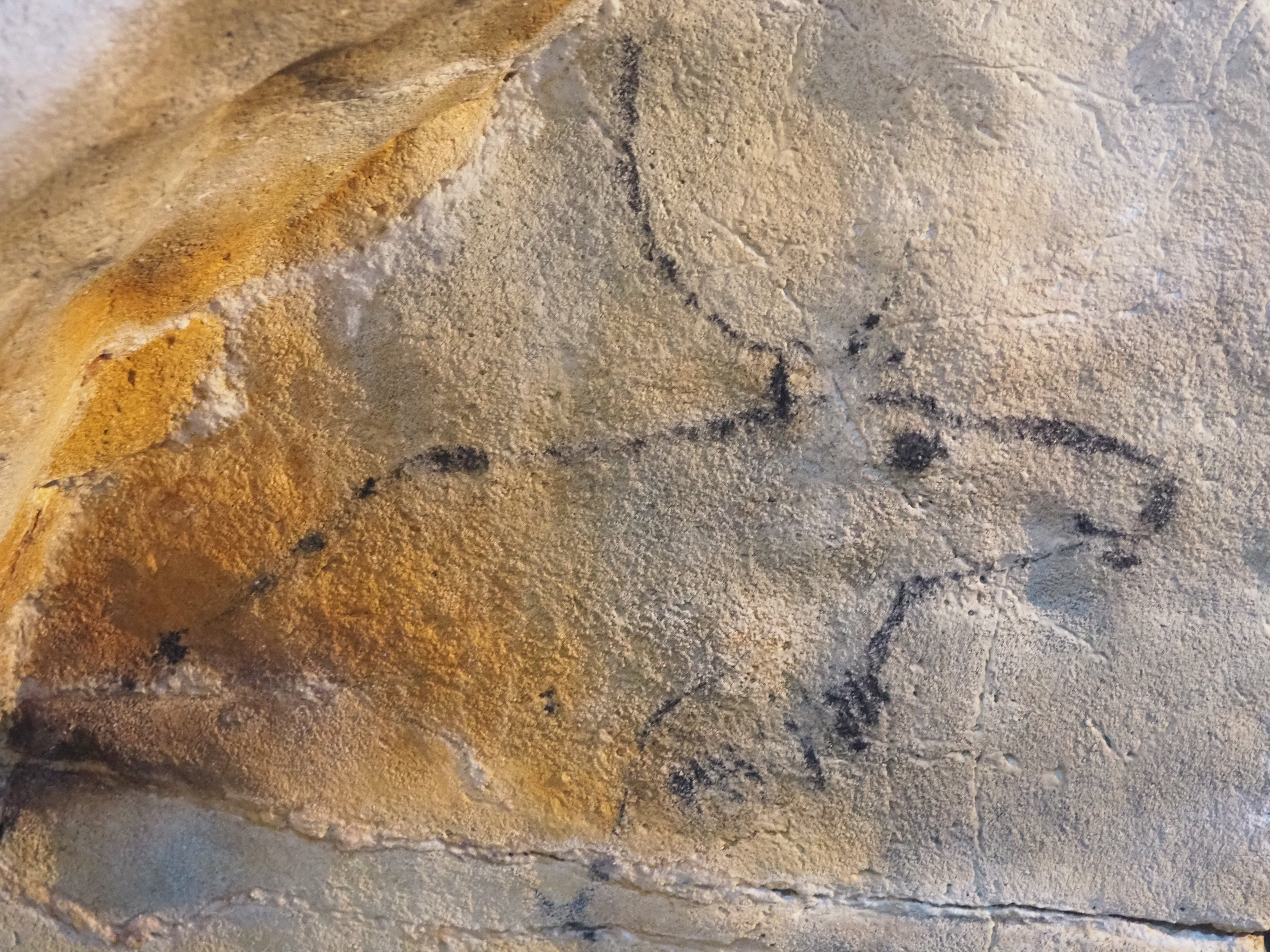
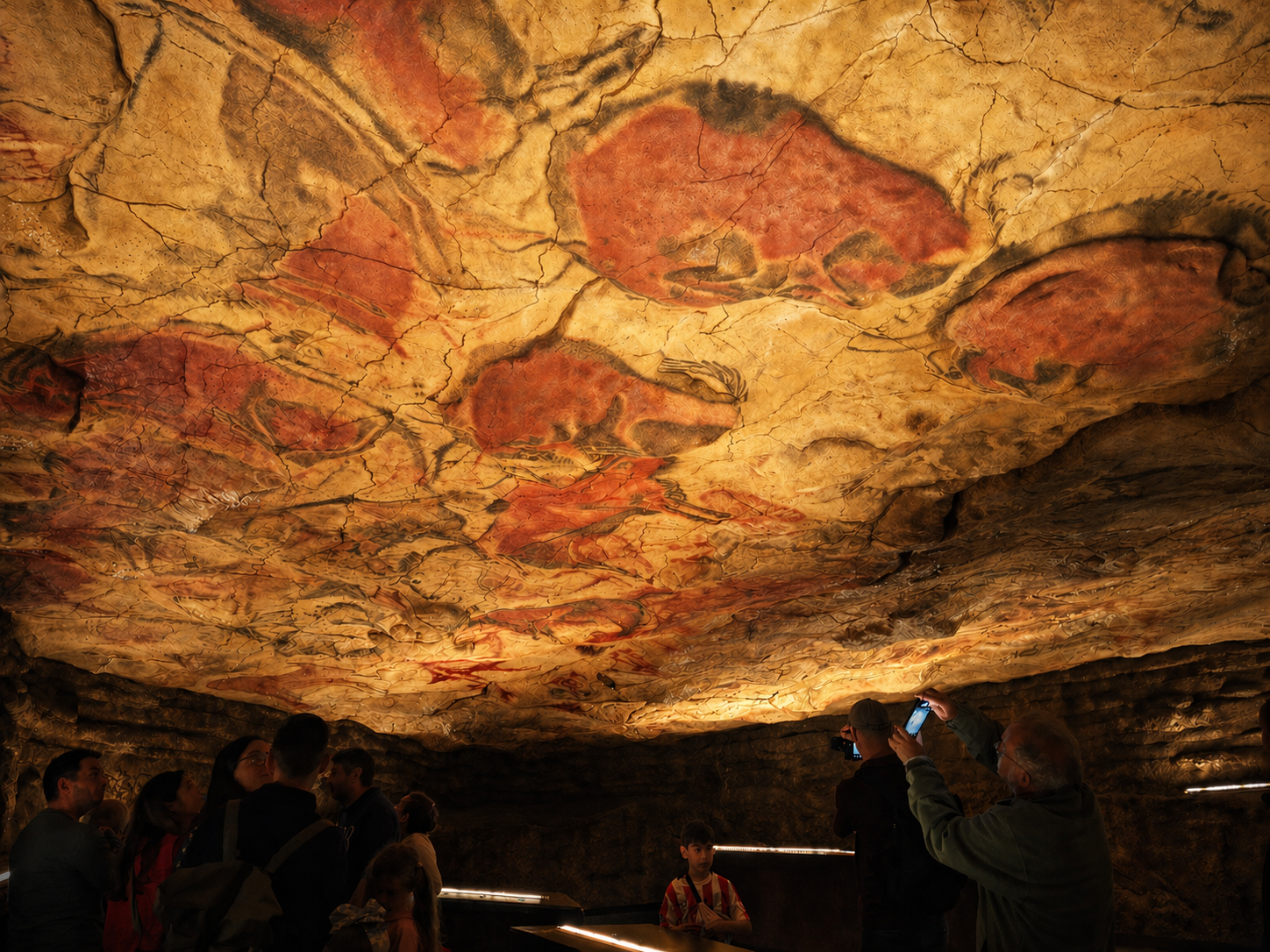
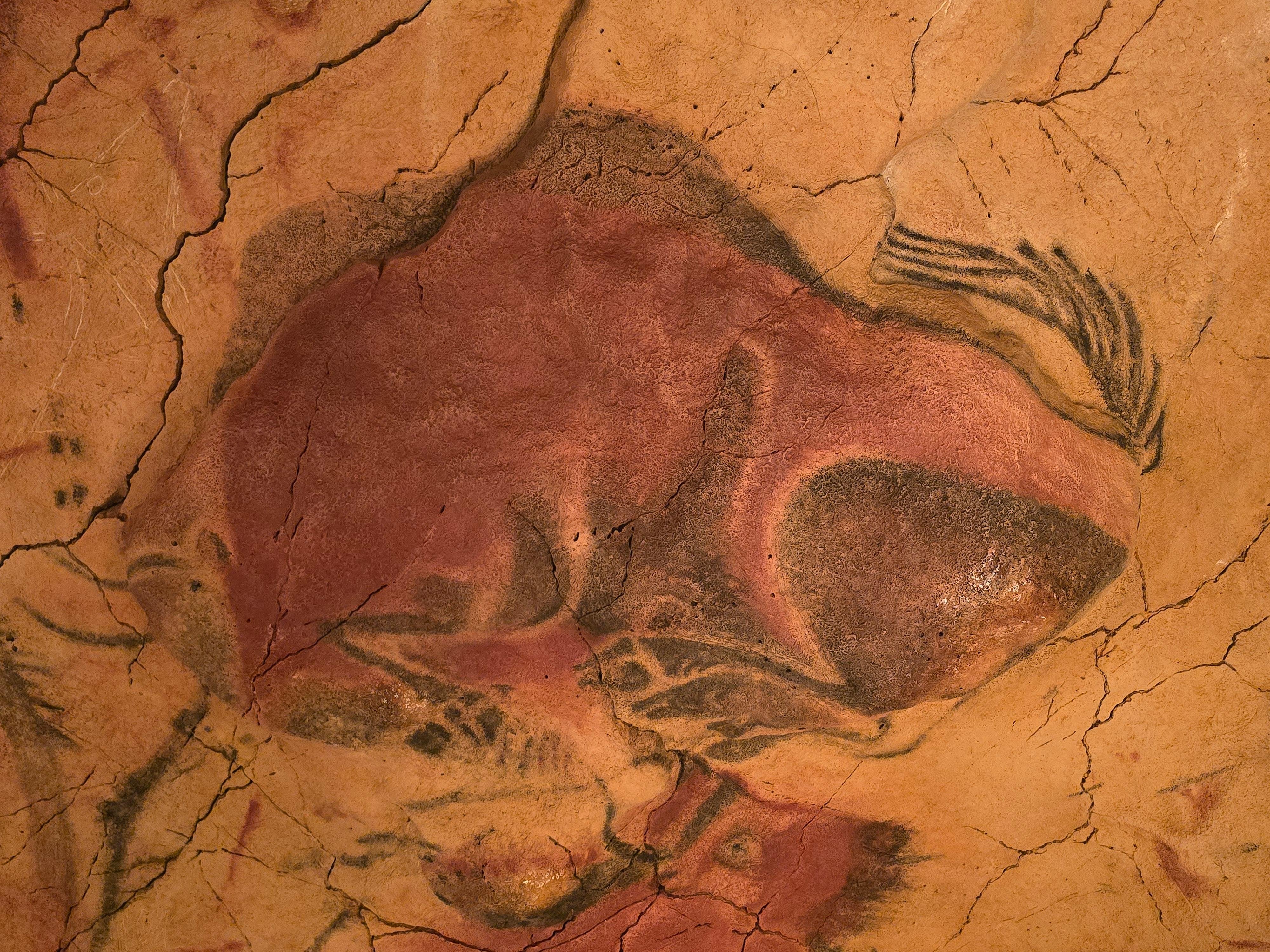
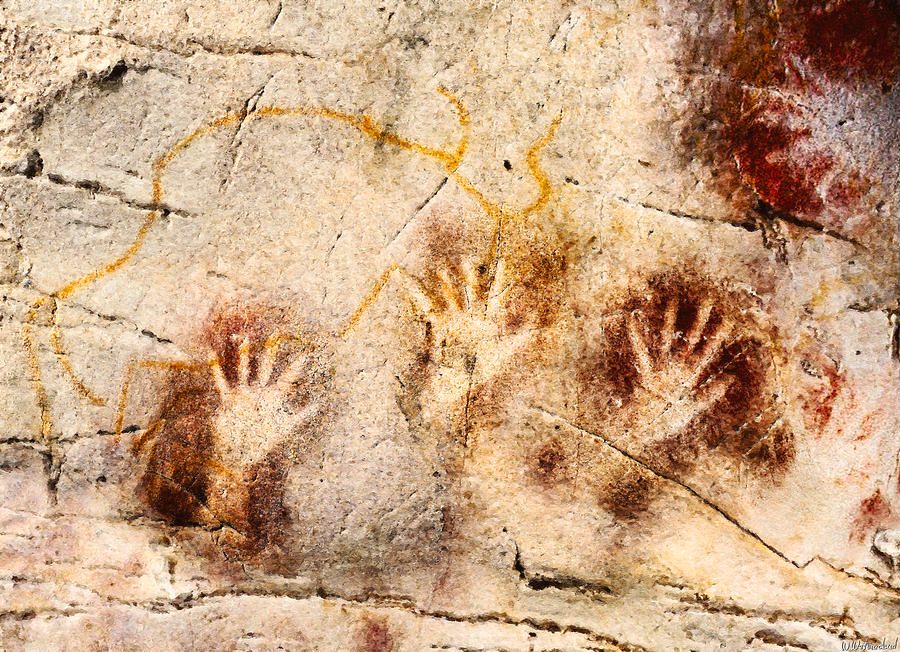
You move single-file along a railed walkway installed above the original cave floor, pausing at the Panel de las Manos where dozens of ochre handprints cluster around a natural alcove. The guide directs the beam to a single red disc, explaining the uranium-thorium dates that place it 40,800 years before present. Further in, the passage narrows and the ceiling drops, requiring you to duck slightly as you enter the Sala de los Polícromos. Here the rock swells into natural bosses that ancient artists used as the bodies of bison and horses, their outlines traced in charcoal that still holds a faint sheen.

The tour lasts 45 minutes, ending at a grid of red lines whose meaning no one has deciphered. You retrace your steps to the entrance, blinking as daylight returns, and descend the wooded path to the valley floor.

Everything You Need to Know

Your complete El Castillo Cave guide

All the details about your upcoming adventure in one place

El Castillo Cave Tour Experience

The el castillo cave tour offers access to one of Cantabria's most significant Paleolithic sites, housing rock art dating back over 40,000 years. Visitors explore chambers featuring red ochre hand stencils, bison engravings, and abstract symbols created by early human inhabitants. El castillo cave tours include expert commentary on archaeological findings and preservation techniques used to protect these ancient galleries.

A crimson handprint pressed against limestone 40,800 years ago makes El Castillo the oldest decorated cave in Western Europe, predating the famous bison of Altamira by more than ten millennia.

Discovered in 1903 by Hermilio Alcalde del Río during the first systematic survey of Cantabria's karst valleys, the cave complex beneath Monte Castillo extends 275 meters into the hillside, its walls bearing more than 275 distinct figures spanning 25,000 years of human creativity. Uranium-thorium dating confirmed in 2012 that the oldest pigment in the Panel de las Manos was applied before modern humans reached Iberia, raising the possibility that Neanderthals left their mark here alongside Homo sapiens.

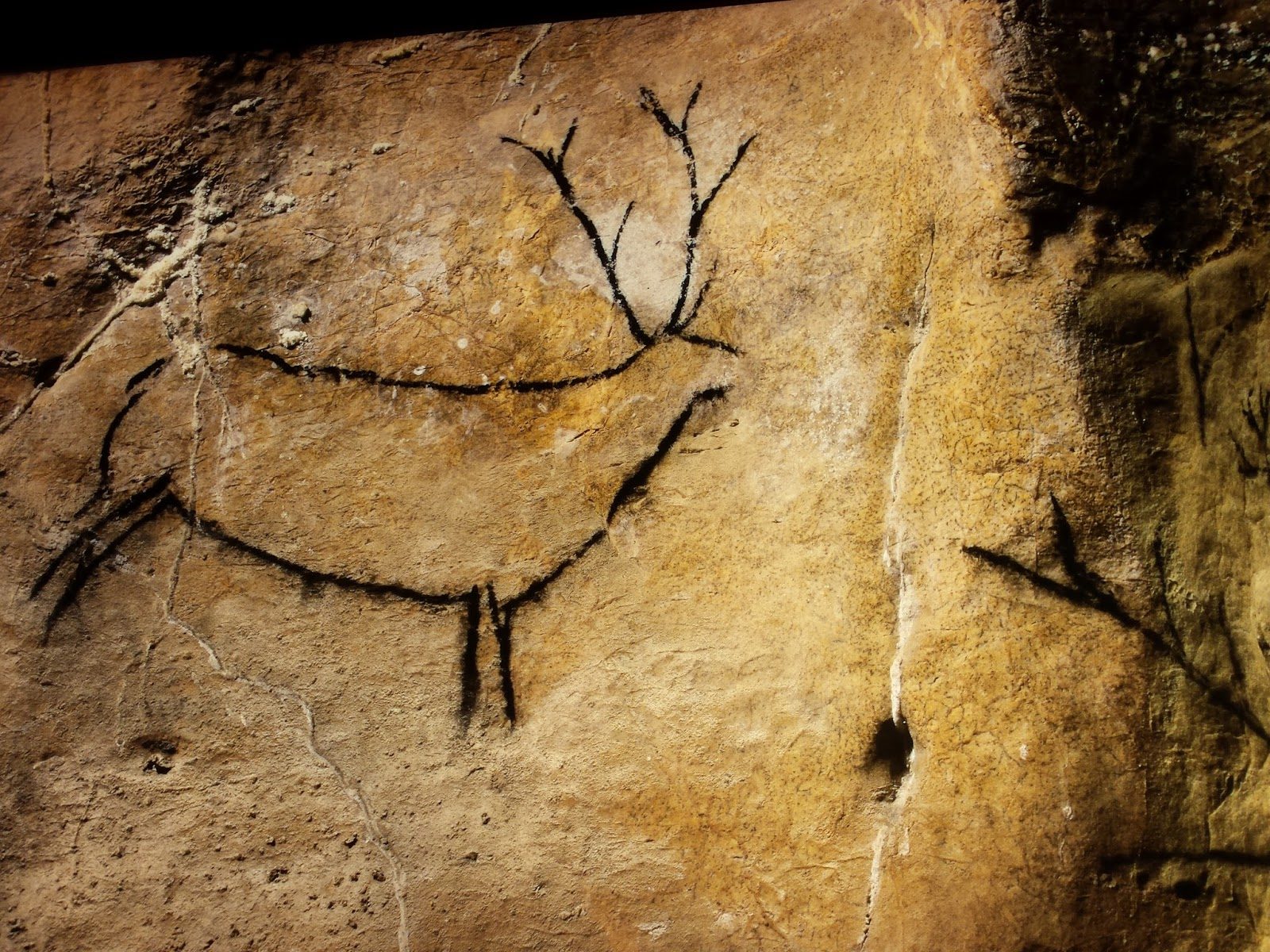
Today the site forms the heart of the Monte Castillo cave system, a UNESCO-inscribed ensemble that includes Las Monedas, La Pasiega, and Las Chimeneas, all carved by the Río Pas as it descended through Cretaceous bedrock during the Pleistocene. El Castillo alone preserves the longest continuous record of symbolic expression in Europe: red discs from the Aurignacian, bison and horses rendered in charcoal during the Magdalenian, and geometric grids whose meaning remains opaque. The chamber known as the Sala de los Polícromos holds a frieze of deer, goats, and aurochs drawn in ochre and manganese, their hooves positioned to follow the natural bulge of the rock.

Conservation protocols introduced in 1996 capped daily visitor numbers at 240 and installed climate-monitoring sensors throughout the galleries. Every tour is accompanied by a specialist guide who controls LED lighting to minimize photochemical degradation of the pigments. The walk requires no climbing but includes several low passages where ceiling height drops below 1.8 meters. Average chamber temperature holds steady at 14°C year-round, and relative humidity hovers near 98 percent, conditions that helped preserve the paintings but demand that visitors dress accordingly. Because the cave lies within the Valles Pasiegos Biosphere Reserve, access roads remain unpaved in sections, and mobile signal is intermittent once you leave Puente Viesgo.

El Castillo cave tours offer an unmediated encounter with the visual language of the Upper Paleolithic, and the site's scientific importance continues to grow as new analytic techniques reveal hidden layers beneath the visible art. Recent multispectral imaging identified at least twelve repainting episodes in the main panel, suggesting the cave served as a ritual landscape returned to across generations.

A crimson handprint pressed against limestone 40,800 years ago makes El Castillo the oldest decorated cave in Western Europe.

Dress code

Wear warm clothing, as the temperature inside the cave is consistently cool throughout the year. Sturdy, non-slip footwear is essential due to potentially wet or slippery ground conditions during an el castillo cave tour.

Bags & security

Large backpacks and bulky items are discouraged as the cave passages can be narrow. All visitors must check in at the Rock Art Center before their el castillo cave tour.

Photography

Photography and video recording are strictly prohibited inside the cave to ensure the preservation of prehistoric art. Please respect the conservation rules during your el castillo cave tour.

Families & strollers

While children are welcome, please note that the tour requires quiet and focused behavior. Ensure young children can handle a guided session during your el castillo cave tour.

Accessibility

The terrain inside the cave is not wheelchair accessible. Visitors should be prepared for uneven ground and some incline, which may be challenging for those with limited mobility.

Food & drink

Consumption of food and beverages is not permitted inside the cave. Please ensure you have hydrated before starting your el castillo cave tour.

Not allowed

× Flash photography × Video recording equipment × Tripods × Food × Drinks × Large backpacks × Torches × Hiking poles × Touching the walls × Smoking

What to bring

✓ Comfortable non-slip shoes ✓ Warm jacket ✓ Printed or digital ticket ✓ Water bottle ✓ Identification document

Opening hours

Mon Closed
Tue 09:30–18:30
Wed 09:30–18:30
Thu 09:30–18:30
Fri 09:30–18:30
Sat 09:30–18:30
Sun 09:30–15:30

How to get there

Closures & exceptions

  • ·Every Monday — Weekly closure
  • ·Jan 1 — New Year's Day
  • ·Jan 6 — Epiphany
  • ·Dec 24 — Christmas Eve
  • ·Dec 25 — Christmas Day
  • ·Dec 31 — New Year's Eve

At a glance

Opening hours

Check the weekly schedule for your el castillo cave tour

Address

Monte Castillo, 39670 Puente Viesgo, Cantabria, Spain

Entry requirements

Advance reservation required for your el castillo cave tour

Arrival window

09:30–14:00 is ideal for your el castillo cave tour

Storage

No secure luggage facilities available on-site

Navigation

Follow signs to the Rock Art Center for your el castillo cave tour

Getting there

Public transport · 40 minutes · Approx. 2.45 EUR

Alsa buses connect Santander to Puente Viesgo village.

Car · N/A · Parking available on-site

Follow N-623 to Puente Viesgo, then follow signs for Monte Castillo.

Cancellation policy

Once the ticket is purchased online, the date and time of the visit cannot be modified. The money will not be returned regarding the 15 EUR entrance fee.

Plan your time

Optimizing Your Schedule for the El Castillo Cave Tour

Recommended time

2 hours

Planning an el castillo cave tour requires strict adherence to time-staggered sessions, as these guided walks through the subterranean limestone chambers have fixed departures. Securing el castillo cave tour tickets well in advance is essential to ensure entry, as groups are kept small to protect the prehistoric rock art. Visitors should aim for the morning window to avoid the mid-afternoon peak when these Cueva del Monte Castillo tours reach maximum capacity. Please note that the site is located at Monte Castillo, 39670 Puente Viesgo, Cantabria, Spain, and requires checking in before your scheduled el castillo cave tour tour begins.

Crowd levels through the day

09:30 - 11:30 Light
11:30 - 13:30 Moderate
13:30 - 15:30 High
15:30 - 17:30 Very High
Plan ahead

Best time to visit El Castillo Cave

Weather · crowds · average price — dots go green to amber to red as each metric rises.

Spring

Mild weather makes the walk up the hill to your el castillo cave tour comfortable.

Summer

Expect higher visitor numbers, so book your el castillo cave tour tickets well in advance.

Autumn

Cooler temperatures are ideal for hiking the paths around the site.

Winter

Quieter period, though some dampness may occur on the cave paths.

Insider tips

Helpful tips for visiting El Castillo Cave

Book Early

Tickets for an el castillo cave tour sell out quickly, so reserve online in advance.

Staggered Entry

The tour follows a strict schedule; ensure you arrive at the box office 60 minutes before your slot.

Combine Visits

Visit both El Castillo and Las Monedas to make the most of your trip to Monte Castillo.

Check Availability

If you lack an entrance ticket, check availability at the box office early in the day.

Respect Heritage

The cave walls are sacred historical sites; never touch the surfaces.

Where to meet

El Castillo Cave meeting points

Rock Art Center

Monte Castillo, 39670 Puente Viesgo

Report here 60 minutes before your session

Get directions
The story

Historical Significance and Archaeological Discovery of the El Castillo Cave Tour

The discovery of El Castillo Cave in 1903 by Spanish archaeologist Hermilio Alcalde del Río marked a turning point in the study of Upper Paleolithic art. Alcalde del Río, working under the patronage of Prince Albert I of Monaco, documented extensive galleries of paintings and engravings that rivaled the already famous finds at Altamira. The cave, part of the Monte Castillo complex in Puente Viesgo, contained over 275 figured images spanning tens of thousands of years. Early skepticism from the academic establishment quickly dissolved as Alcalde del Río's meticulous documentation and stratigraphic analysis confirmed the authenticity and antiquity of the art. In 2012, uranium-thorium dating conducted by an international team led by Alistair Pike revealed that a red disk in El Castillo was at least 40,800 years old, making it the oldest known cave painting in Europe at the time. This finding pushed back the timeline of symbolic human expression and reignited debates about whether Neanderthals might have contributed to early art. The crimson handprints, created using the stencil technique, became iconic markers of humanity's earliest attempts at self-representation. Subsequent research identified pigment layers, tool marks, and occupation debris that documented continuous human presence from the Aurignacian through the Magdalenian periods. The cave narrowly escaped damage during Spain's Civil War when the region saw heavy fighting. Post-war neglect and uncontrolled tourism in the 1960s led to algae growth and surface degradation on some panels. In 1974, the Spanish government restricted access, and by 2008 a replica cave—the Neocueva—opened to the public, allowing the original galleries to recover. Today, guided el castillo cave tours include both the replica and limited access to authentic chambers under strict environmental controls. Conservation protocols implemented by the Cantabrian regional government now monitor humidity, CO₂ levels, and microbial activity daily. The site achieved UNESCO World Heritage status in 2008 as part of the Cave of Altamira and Paleolithic Cave Art of Northern Spain inscription, securing its protection and scholarly importance for future generations.

1903

Hermilio Alcalde del Río discovers the cave and documents over 275 Paleolithic paintings and engravings.

1910s–1920s

Academic recognition grows as stratigraphic studies confirm the art's Upper Paleolithic origins.

1960s–1970s

Uncontrolled tourism causes algae growth and pigment damage, prompting access restrictions in 1974.

2008

UNESCO designates El Castillo part of the Cave of Altamira World Heritage Site; Neocueva replica opens.

2012

Uranium-thorium dating reveals a red disk at least 40,800 years old, the oldest known cave art in Europe.

Present day

Strict conservation protocols limit el castillo cave tour tickets to protect microbial balance and preserve art.

Gallery

Moments from El Castillo Cave

With kids

Navigating the El Castillo Cave Tour With Children

Exploring the el castillo cave tour provides a unique window into prehistory, though the subterranean environment requires careful planning for families with young children. This authentic Paleolithic site involves walking through rugged terrain that demands stamina and focus from all participants.

Physical Requirements

The cave path includes approximately 300 steps and is not suitable for strollers, so toddlers or infants will need to be carried in a secure harness. Travelers with back or spinal issues or limited mobility should carefully evaluate their ability to navigate these uneven, steep, and potentially damp surfaces during the el castillo cave tour tour.

Age Recommendations

While curious older children often enjoy the connection to ancient ancestors, the tour is generally physically demanding and requires children to be accompanied by an adult at all times. Please consider your child's ability to remain quiet and attentive, as the guides focus on detailed historical explanations for the el castillo cave tour tours.

Interior Environment

The cave maintains a constant temperature of 12ºC throughout the year, making warm clothing and jackets essential to keep little ones comfortable. Ensure everyone wears sturdy, non-slip footwear to maintain safety on the potentially wet or uneven ground found inside these UNESCO-listed landmarks.

Logistics and Preparation

To secure your spot, families should book el castillo cave tour tickets well in advance as daily capacity is strictly limited to protect the integrity of the archaeological site. Arriving early within the best arrival window helps ensure you have time to settle in and check in at the box office without the stress of mid-afternoon crowds.

Customer Reviews

What travelers say about El Castillo Cave

Real experiences from real travelers

4.4
Based on 2,400 reviews
1 ★ 638
2 ★ 412
3 ★ 890
4 ★ 2140
5 ★ 8920
M
Maria G.
Spain · 2026-07-18

Remarkable paleolithic art

Our guide explained the significance of the hand stencils at El Castillo Cave with great expertise. The prehistoric paintings are some of the oldest in Europe, dated to over 40,000 years. We visited in the morning when the light at the entrance creates beautiful contrast. Temperature inside stays around 14°C year-round, so bring a light jacket.

T
Thomas K.
Germany · 2026-08-12

Exceptional cave art experience

The el castillo cave tour exceeded expectations in terms of preservation and access. Standing before ochre paintings made by Neanderthals was profound. Our small group of twelve allowed everyone clear views of the decorated panels. The guide's knowledge of Upper Paleolithic art techniques added depth to the visit.

J
Jennifer L.
United States · 2026-06-03

Ancient art preserved beautifully

Visiting this site on the Cantabrian Coast was a highlight of our northern Spain trip. The cave paintings include not just hands but also disks and animal figures. The path to the entrance takes about ten minutes uphill through oak forest. Worth noting that photography inside is prohibited to protect the pigments.

H
Hiroshi M.
Japan · 2026-05-22

Fascinating but brief

The tour of El Castillo lasts approximately forty minutes, which felt short given the travel to Puente Viesgo. However, the prehistoric hand stencils are genuinely impressive and the controlled visit helps preserve these fragile artworks. The guide provided context about contemporaneous sites like Altamira.

S
Sophie D.
France · 2026-08-29

Scientific importance explained well

Our guide detailed the uranium-thorium dating that established these as the oldest known cave paintings in Europe. The el castillo cave tour tickets include access to the visitor center, where digital reconstructions help you understand what you'll see inside. The actual cave is cooler and darker than expected, which aids preservation.

C
Carlos R.
Argentina · 2026-07-05

Upper Paleolithic masterpiece

The painted chamber reveals layered occupations spanning thirty millennia. Red ochre hand stencils overlay earlier geometric forms. Access is limited to preserve the art, so advance booking for el castillo cave tour tours is essential during summer. The Monte Castillo complex includes other caves, but El Castillo has the most significant prehistoric art.

E
Emma W.
United Kingdom · 2026-04-17

Intimate encounter with prehistory

Standing where Neanderthals and early humans created symbolic art 40,000 years ago felt humbling. The cave environment is well-managed with minimal artificial light that still allows clear viewing. Our April visit meant fewer crowds. The village of Puente Viesgo offers pleasant walks along the Pas River after the tour.

L
Lars P.
Sweden · 2026-06-28

Archaeological treasure

The stratification visible in the cave walls documents continuous human presence through the Aurignacian and Magdalenian periods. Calcite formations have sealed and protected many of the paintings. The guided interpretation covered both the artistic techniques and the challenging conditions these early humans faced in the Cantabrian mountains.

P
Patricia S.
Brazil · 2026-08-02

World heritage quality

This cave art rivals anything I've seen in France. The negative hand technique, where pigment was blown around the hand, creates haunting silhouettes on the limestone. Climate control measures mean humidity and carbon dioxide are carefully monitored. The site deserves its recognition as part of the Cave of Altamira and Paleolithic Cave Art of Northern Spain UNESCO designation.

D
David H.
Canada · 2026-07-21

Expertly curated experience

The combination of original cave art and modern conservation practices makes this a model archaeological site. Our guide's explanation of the symbolic meaning behind the red disks and hand prints was compelling. The el castillo cave tour operates on timed entry to limit environmental impact, which means the experience feels exclusive rather than crowded.

FAQ

El Castillo Cave — frequently asked questions

Everything you need to know for your journey

Around the corner

More to see near El Castillo Cave

Las Monedas Cave

10 min walk

landmark

Features stunning stalactites and charcoal drawings within the same mountain.

Pas River

10 min drive

landmark

Scenic river views surrounding the Puente Viesgo area.

Puente Viesgo Village

5 min drive

landmark

A charming village known for its historic town hall and heritage.

Paleolithic Art Interpretation Centre

5 min walk

museum

Learn about the history before your el castillo cave tour.

Where to stay

Where to stay near El Castillo Cave

Puente Viesgo Grand Hotel

5 min drive

luxury

Historic hotel near the caves.

Local Guesthouses

10 min walk

mid-range

Various options located in the village center.

Santander City Hotels

40 min drive

boutique

Wide range of accommodations for those basing in the capital.

Ready for Adventure?

Join thousands of happy travelers who have discovered this incredible experience

Book Your Experience Now